
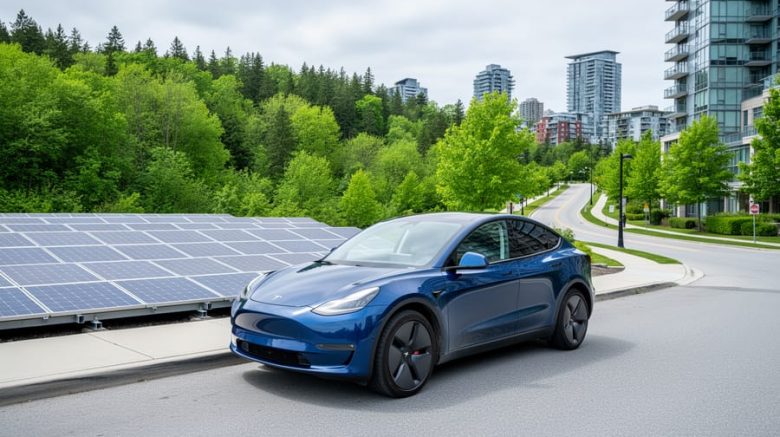
Climate change mitigation strategies are deliberate actions taken to reduce greenhouse gas emissions or remove carbon from the atmosphere to limit global warming. These strategies target the root causes of climate change by addressing how we produce energy, manage land, design buildings, and move people and goods.
The science is clear: without significant intervention, rising temperatures will continue to disrupt ecosystems, threaten food security, and intensify extreme weather events. But here’s the encouraging part. We already have the tools and knowledge to make a meaningful difference. From shifting to renewable energy sources to protecting forests that naturally store carbon, mitigation strategies offer proven pathways to a more stable climate.
What makes mitigation different from adaptation is its focus on prevention rather than adjustment. While adaptation helps communities cope with climate impacts already underway, mitigation tackles emissions at their source. Both approaches matter, but mitigation offers the best chance to avoid the most catastrophic outcomes.
Canada’s Emissions Reduction Plan, established in March 2022, aims for a 40% reduction from 2005 levels by 2030 and net-zero emissions by 2050. The plan includes concrete measures like the national zero-emission vehicle sales mandate and Clean Electricity Regulations. By 2026, climate resiliency considerations have been incorporated into three Canadian codes, including the National Building Code.
This article breaks down how mitigation strategies work, explores the different types available across sectors, and shows you where these approaches are making real progress. You’ll also discover practical steps you can take in your own life, whether you’re a homeowner looking to reduce your carbon footprint or a community leader seeking actionable solutions.
Understanding Climate Change Mitigation
Climate mitigation means taking action to reduce or prevent the release of greenhouse gases that warm our planet. Instead of waiting for climate impacts and then responding to them, mitigation focuses on stopping the problem at its source, cutting the carbon pollution that drives temperature rise in the first place.
Think of it this way: if your basement is flooding, adaptation means moving your belongings upstairs and installing a sump pump. Mitigation means fixing the broken pipe that’s causing the flood. Both approaches matter, but they serve different purposes.
- Mitigation
- Actions that reduce or prevent greenhouse gas emissions to slow the pace of climate change, such as switching to renewable energy or improving energy efficiency.
- Adaptation
- Measures that help communities adjust to climate impacts that are already happening, like building sea walls or developing drought-resistant crops.
- Greenhouse Gases
- Heat-trapping gases in the atmosphere, primarily carbon dioxide and methane, that cause global warming when released by human activities.
- Emissions Reduction
- The process of decreasing the amount of greenhouse gases released into the atmosphere through changes in energy use, transportation, industry, and land management.
- Net-Zero
- A state where any remaining greenhouse gas emissions are balanced by removing an equivalent amount from the atmosphere, achieving no net increase in atmospheric carbon.
- Carbon Footprint
- The total amount of greenhouse gases generated by individual actions, household choices, business operations, or national activities.
When you drive less, switch to LED bulbs, or support renewable energy projects, you’re practicing mitigation. When a city plants trees to provide cooling shade or builds higher flood barriers, that’s adaptation. We need both, but mitigation addresses the root cause.
Why does mitigation matter so urgently in 2026? Because every fraction of a degree of warming we prevent now makes adaptation easier and less costly later. Canada’s Emissions Reduction Plan targets a 40% reduction from 2005 levels by 2030 and net-zero by 2050. These aren’t distant goals, they require action starting today. The decisions we make this year about energy, transportation, and how we build our communities will shape the climate our children inherit.
How Climate Mitigation Works
The Role of Emissions Reduction
Cutting emissions works by reducing the volume of heat-trapping gases we release into the atmosphere. When we burn less fossil fuel for electricity, drive fewer gas-powered vehicles, or make industrial processes more efficient, we slow the accumulation of carbon dioxide and methane that drives warming. Think of it like turning down the tap on a filling bathtub, the water level still rises, but more slowly, buying time to develop solutions and prevent the worst impacts.
Energy production accounts for the largest share of emissions. Switching a coal plant to solar or wind removes tons of carbon from the annual total. Transportation follows closely, every electric car replacing a gasoline vehicle means less CO₂ from tailpipes. Industry contributes through manufacturing, cement production, and chemical processes, where efficiency improvements and cleaner energy sources make measurable differences.
Canada has committed to reducing emissions 40 to 45% below 2005 levels by 2030 as part of its Emissions Reduction Plan. That target reflects the urgency scientists emphasize: faster cuts now mean less warming later. The approach combines regulatory measures, incentives for clean technology, and phasing out high-emission activities across all economic sectors.
Clean Energy Transition
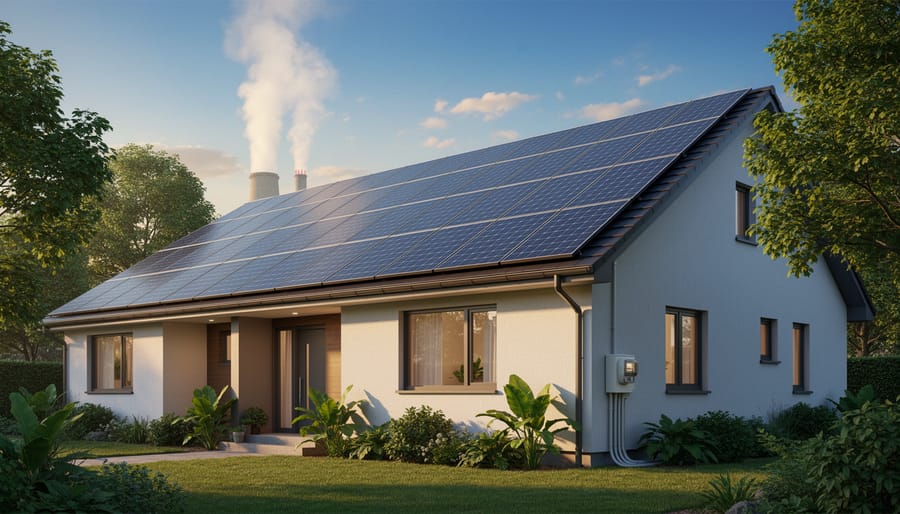
Switching to renewable energy is one of the most powerful levers we have to slow climate warming. Every time a coal plant goes offline and a solar farm or wind turbine takes its place, we cut the carbon pollution flowing into the atmosphere. Fossil fuels, coal, oil, and natural gas, release stored carbon when burned for electricity, heat, and transportation. Clean energy sources like solar, wind, hydroelectric, and geothermal power generate electricity without those emissions, directly addressing the root cause of climate change.
The transition is already underway and accelerating. Global wind and solar growth has ramped up dramatically in recent years, with costs dropping and technology improving. When we replace a natural gas generator with a wind farm, we eliminate emissions not just once, but continuously for decades. The same logic applies to switching from gasoline vehicles to electric ones powered by a clean grid.
In Canada, the Clean Electricity Regulations reduce emissions by setting standards for power generation, pushing utilities toward renewable sources and away from high-carbon options. These regulations work alongside investments in grid infrastructure and renewable projects to build a cleaner electricity system. The result is a steady decline in the carbon intensity of the power we use every day, from charging phones to heating homes, making clean energy the backbone of broader mitigation efforts.
Types of Climate Mitigation Strategies
Energy Sector Strategies
The energy sector produces the largest share of global greenhouse gas emissions, making it the most critical area for climate mitigation. Shifting to renewable energy sources like solar, wind, and hydroelectric power directly replaces fossil fuel combustion, eliminating carbon dioxide at the source rather than trying to capture it later. As renewables scale up, coal and natural gas plants are retired, cutting emissions from electricity generation. Canada’s Clean Electricity Regulations, part of the 2030 Emissions Reduction Plan, set standards to phase out unabated fossil fuel generation and build a net-zero grid.
Beyond electricity, reducing methane leaks from oil and gas operations delivers immediate climate benefits. Methane traps heat far more effectively than carbon dioxide over short timescales, so even small reductions have outsized impact. Strengthened methane regulations in Canada’s oil and fossil gas sector aim to curb these potent emissions, though an emissions cap for the sector remains under development. Together, clean energy deployment and methane controls form the backbone of energy sector mitigation, turning the largest source of warming into the biggest opportunity for progress.
Transportation Solutions
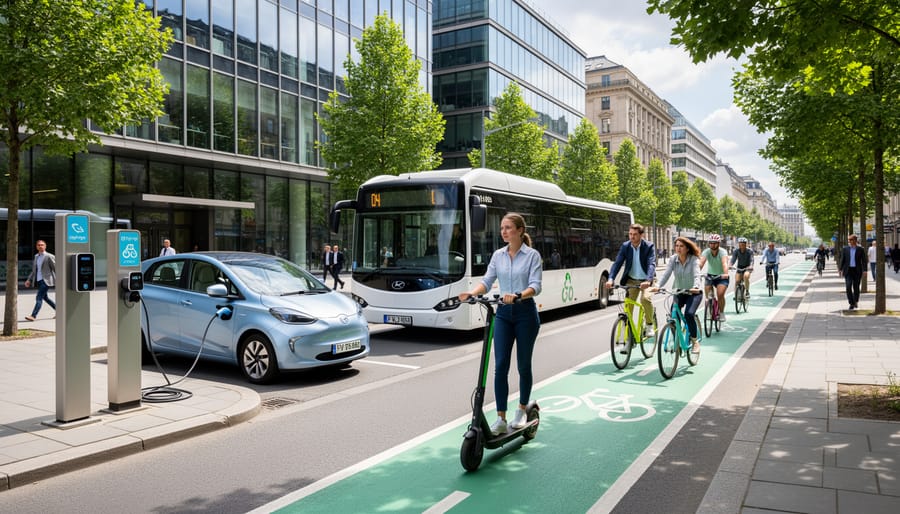
Transportation accounts for a substantial share of emissions, but transitioning how we move people and goods can cut those numbers fast. Canada’s national ZEV sales mandate included in the 2030 Emissions Reduction Plan aims to phase out internal combustion engines, pushing automakers to sell more electric, hydrogen, and plug-in hybrid vehicles each year. Zero-emission cars, trucks, and buses produce no tailpipe pollution, especially when charged using clean electricity.
Beyond personal vehicles, expanding public transit reduces the number of cars on the road. New light rail lines, electric buses, and solar railways all lower per-passenger emissions. Cities are also investing in bike lanes, pedestrian pathways, and protected infrastructure that makes walking and cycling safer and more appealing. Widespread EV charging infrastructure supports the shift to electric vehicles, making them practical for longer trips and everyday use. Together, these solutions reshape how communities move while slashing transportation emissions.
Building and Infrastructure Improvements
Buildings account for a substantial share of global emissions through heating, cooling, and electricity use, making energy-efficient construction and retrofits critical mitigation tools. New buildings designed with better insulation, efficient HVAC systems, and passive solar features can slash energy consumption by half or more compared to older standards. Retrofitting existing structures, upgrading windows, improving air sealing, adding insulation, replacing furnaces with heat pumps, delivers similar gains without tearing down what we’ve already built.
Updated building codes push these improvements forward at scale. Canada’s 2026 climate resiliency updates to the National Building Code and Canadian Highway Bridge Design Code incorporate stricter energy performance requirements and climate resilience measures, ensuring new construction meets higher standards from the start. These codes consider not just emissions reduction but also durability in a changing climate, stronger materials, flood-resistant designs, structures built to handle more extreme weather.
Infrastructure improvements extend beyond homes to schools, offices, and public buildings. Installing LED lighting, upgrading to smart thermostats, and switching to renewable energy sources all reduce operational emissions. Even small changes add up when applied across thousands of buildings in a city or region, making the built environment a lever for substantial mitigation progress.
Nature-Based Solutions
Nature doesn’t just benefit from climate action, it can be a powerful tool for it. Nature-based solutions harness the carbon-storing capacity of forests, wetlands, soils, and other ecosystems to pull greenhouse gases from the atmosphere while delivering benefits like cleaner air, flood protection, and wildlife habitat.
Reforestation and afforestation (planting trees where forests once stood or never grew) turn landscapes into carbon sinks. A single mature tree absorbs roughly 48 pounds of carbon dioxide per year, and forests worldwide store an estimated 296 billion tons of carbon in their biomass. Protecting existing forests matters just as much: deforestation releases stored carbon and eliminates future absorption capacity.
Wetlands punch above their weight as carbon storehouses. Peatlands, mangroves, and marshes sequester carbon in waterlogged soils where decomposition slows to a crawl. Draining or destroying wetlands releases centuries of stored carbon in a matter of years, so conservation efforts prevent emissions while safeguarding flood buffers and water quality.
Agricultural practices can shift soils from carbon sources to carbon sinks. Cover cropping, reduced tillage, and rotational grazing allow plants to capture carbon and move it underground, where it enriches soil health and holds water more effectively. These methods also cut the need for synthetic fertilizers, which produce nitrous oxide, a greenhouse gas hundreds of times more potent than carbon dioxide.
Ecosystem restoration ties these approaches together, rebuilding degraded landscapes to reclaim their natural carbon-storing function while supporting biodiversity and community resilience.

Where and How Mitigation Strategies Are Applied
National and Regional Programs
Governments drive climate mitigation at scale through comprehensive policy frameworks that set binding targets, regulate emissions, and create financial incentives for cleaner technologies. These programs coordinate action across sectors in ways individual efforts alone can’t achieve.
Canada’s Emissions Reduction Plan, published in March 2022, targets a 40% reduction in greenhouse gas emissions from 2005 levels by 2030, with a long-term goal of net-zero emissions by 2050. The plan combines regulatory measures with strategic investments. Key components include the national zero-emission vehicles sales mandate, which accelerates the transition away from gas-powered cars, and the Clean Electricity Regulations, designed to clean up the power grid.
Sector-specific regulations tackle major emission sources directly. Strengthened rules to curb methane emissions in the oil and fossil gas sector are pending, along with an emissions cap for the same industry. By 2026, climate resiliency considerations have been incorporated into three Canadian codes, including the National Building Code and the Canadian Highway Bridge Design Code, ensuring new infrastructure can withstand future climate impacts while minimizing emissions.
These large-scale programs create the framework that enables smaller actions to add up, demonstrating how policy translates climate goals into measurable progress.
Community and Household Applications
Climate mitigation isn’t just about federal policy. Some of the most impactful work happens right where you live, and you can see the results in your own neighborhood.
Municipal renewable energy projects are transforming how communities power themselves. Cities are installing solar arrays on municipal buildings, operating community solar programs that let residents subscribe to clean energy even if they rent, and converting streetlights to LED systems that cut energy use dramatically. These initiatives reduce local emissions while lowering long-term costs for taxpayers.
Waste reduction programs at the community level make a measurable difference. Composting initiatives divert organic material from landfills, where it would otherwise produce methane. Expanded recycling programs and plastic-free campaigns help municipalities shrink their carbon footprints while building public awareness about consumption patterns.
Home retrofits offer one of the fastest ways households can cut emissions. Better insulation, high-efficiency furnaces, heat pumps, and smart thermostats reduce the energy needed to heat and cool your home. Many provinces offer rebates that make these upgrades more affordable, and the savings on utility bills accumulate year after year.
Transportation choices at the individual level add up quickly across a community. Switching to an electric vehicle, biking to work, carpooling, or using public transit all reduce transportation emissions, which represent a significant share of household carbon output. As more people make these shifts, they also drive demand for better infrastructure like charging stations and protected bike lanes, supporting electric grid readiness for broader clean transportation adoption.
A real success story comes from Edmonton, where a coordinated effort combining municipal energy efficiency programs, expanded transit service, and community education helped the city reduce emissions by 6% between 2015 and 2022, even as the population grew. Residents participated in home energy audits, businesses upgraded lighting and heating systems, and the city invested in renewable energy projects. The results prove that local action works when individuals, organizations, and government collaborate with a shared goal.
Taking Action: What You Can Do
You don’t need to wait for perfect conditions or sweeping policy changes to make a difference. Climate mitigation starts with everyday choices, and the cumulative effect of individual action is real. Here’s how you can contribute right now.
Start with energy at home. Switch to LED bulbs, which use 75% less energy than incandescent lighting. Unplug devices when not in use, phantom power drain accounts for up to 10% of household electricity consumption. If you’re considering upgrades, prioritize your home’s envelope: proper insulation and weather stripping reduce heating and cooling needs far more effectively than most high-tech solutions. When appliances need replacing, choose ENERGY STAR certified models.
Rethink transportation. Walk, bike, or take public transit whenever practical. If you drive, combine errands into single trips and maintain proper tire pressure to improve fuel efficiency by 3%. Carpooling cuts emissions per passenger significantly. When it’s time for your next vehicle, consider electric or hybrid options, Canada’s ZEV mandate is making these more accessible, and the infrastructure is expanding.
Reduce waste systematically. Composting diverts organic material from landfills, where it would otherwise produce methane. Buy less stuff, repair what you own, and choose products with minimal packaging. Recycle correctly, contaminated recycling often ends up in landfills, wasting the effort entirely.
Adjust your diet gradually. Eating less meat, particularly beef, reduces your carbon footprint without requiring a complete lifestyle overhaul. Even one or two plant-based meals per week adds up. Buy local and seasonal produce when possible to cut transportation emissions.
Support nature-based solutions in your community. Plant native trees and shrubs in your yard. They sequester carbon, support biodiversity, and reduce urban heat island effects. Learning heatwave safety tips becomes increasingly important as these events grow more frequent.
Engage beyond your household. Attend local council meetings about climate initiatives. Support businesses with genuine sustainability practices. Vote for representatives committed to emissions reduction. Collective pressure creates the conditions for larger systemic change.
Common Questions About Climate Mitigation
What is Canada’s Emissions Reduction Plan?
Canada’s Emissions Reduction Plan, published in March 2022, targets a 40% reduction in greenhouse gas emissions from 2005 levels by 2030 and achieving net-zero emissions by 2050. The plan includes measures like the national zero-emission vehicles sales mandate and the Clean Electricity Regulations, along with strengthened methane regulations in the oil and gas sector.
How do mitigation and adaptation differ?
Mitigation focuses on reducing or preventing greenhouse gas emissions to limit future warming, while adaptation involves adjusting to climate impacts that are already happening. Think of mitigation as turning down the heat by switching to renewable energy, and adaptation as installing flood barriers to protect against rising sea levels.
What is the Government of Canada’s Adaptation Action Plan?
The Adaptation Action Plan is described as the government’s “down-payment on the ongoing national project that is our National Adaptation Strategy.” Progress on the National Adaptation Strategy wasn’t scheduled for reporting until 2026, three years after its release, and by 2026 additional climate resiliency considerations were incorporated into three Canadian codes including the National Building Code and the Canadian Highway Bridge Design Code.
Can individual actions really make a difference in climate mitigation?
Absolutely. While large-scale policy drives major reductions, individual choices create market demand for clean solutions and set community examples that multiply impact. When thousands of households choose renewable energy, efficient appliances, or zero-emission vehicles, they shift entire industries and demonstrate political support for stronger climate policies.
You might also wonder whether mitigation strategies take too long to show results. The truth is that emissions reductions begin immediately when we switch energy sources or improve efficiency, even though stabilizing global temperatures requires sustained effort over decades. Some strategies deliver quick wins, LED bulbs cut electricity use the day you install them, while others like forest restoration build carbon storage gradually over years.
The methane pledge mentioned in Canada’s plan deserves attention because methane is a potent greenhouse gas with over 80 times the warming power of carbon dioxide in its first 20 years. Strengthened regulations to curb methane emissions in the oil and gas sector target leaks and venting from extraction and processing operations. Reducing methane delivers faster climate benefits than cutting carbon dioxide alone, making it a strategic priority in near-term mitigation efforts.
Climate change mitigation isn’t a single solution or a one-time fix. It’s a continuous effort that connects international agreements to the choices you make in your own home. From Canada’s commitment to cutting emissions 40% by 2030 to your decision to bike instead of drive, every action matters. The strategies we’ve explored work because they operate at every level, and when they’re combined, they create real momentum toward a livable future.
Progress is happening right now. Updated building codes are making new construction more resilient. Clean energy is replacing fossil fuels across the grid. Communities are planting trees, protecting wetlands, and building transit networks. These aren’t distant dreams, they’re 2026 realities unfolding in neighborhoods across the country.
You don’t need to wait for permission or perfect conditions to start. Reduce waste, choose energy-efficient options, support renewable energy, and share what you learn. Your individual efforts might seem small, but they add up and inspire others. Climate mitigation works best when everyone participates, and there’s a role for you in this collective project. The path to net-zero by 2050 is built on the choices we all make today.