Climate change isn’t some distant threat anymore. It’s reshaping our world right now, in 2026, in ways that touch every corner of our lives.
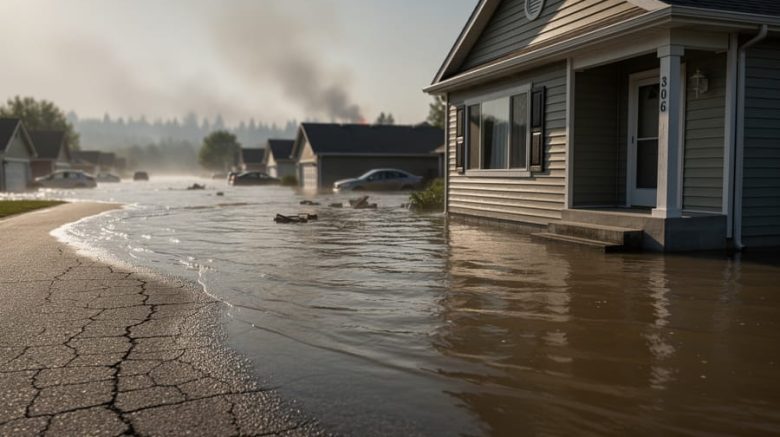
When you see neighborhoods flooding that never flooded before, that’s climate change. When farmers in your region struggle with droughts that last months longer than they used to, that’s climate change too. The wildfires burning hotter and spreading faster, the hurricanes intensifying with alarming speed, the heat waves that shut down entire cities, these aren’t random events. They’re the visible fingerprints of a warming planet.
But here’s what matters most: understanding these effects isn’t about feeling helpless. It’s about seeing clearly what we’re up against so we can respond effectively. Real people and communities are already doing just that. From coastal towns redesigning their infrastructure to homeowners installing rain gardens that handle increased flooding, solutions are taking root everywhere.
The truth is, climate change causes a cascade of interconnected effects. Rising temperatures trigger extreme weather patterns. Shifting rainfall changes where crops can grow. Warming oceans bleach coral reefs and disrupt marine ecosystems. These changes ripple through our food systems, our health, our economies, and the natural world we depend on.
This guide breaks down exactly what climate change is causing across our planet, using current data from 2026, and shows you how each effect connects to your daily life. More importantly, you’ll discover practical steps you can take right now to be part of the solution.
The Domino Effect: How Climate Change Triggers Environmental Changes
Climate change doesn’t work like flipping a single switch. Instead, rising global temperatures set off a cascading series of environmental shifts that ripple through our planet’s interconnected systems. Think of it like pulling one thread in a tightly woven fabric: the entire pattern begins to change.
When average temperatures climb even by a couple of degrees, the effects reach far beyond warmer days. The atmosphere holds more moisture, which sounds positive until you realize this means rain falls harder in some places while leaving others bone-dry for longer stretches. These shifting precipitation patterns directly affect how much water flows into rivers, lakes, and underground aquifers that millions rely on for drinking water and agriculture.
The heat also speeds up evaporation from soil, lakes, and reservoirs. At the same time, plants respond to warmer conditions by consuming more water through their leaves, leaving soil drier than before. In regions that depend on winter snowpack, rising temperatures mean less snow accumulates on mountains and what does fall melts earlier in the year. Glaciers that have fed rivers for millennia are receding, threatening water supplies downstream for communities and ecosystems alike.
These aren’t isolated problems. Each change triggers others. Drier soils stress forests, making them vulnerable to pests and wildfires. Altered weather patterns affect where species can survive. Warmer oceans fuel more intense storms. Understanding these connections helps explain the specific impacts you’ll read about next, from water scarcity hitting closer to home to the extreme weather events making headlines with increasing frequency.
Water Scarcity and Drought: Climate Change’s Growing Threat
What This Means for Your Community
Drought doesn’t stay abstract. It shows up in your backyard, your grocery bill, and your community’s daily rhythms in ways you notice immediately.
When water restrictions kick in, your garden suffers first. That tomato patch you’ve nurtured all spring wilts faster than you can water it during permitted hours. Lawns turn brown. Mature trees that anchor your street begin showing stress, dropping leaves early or developing dead branches. These aren’t just aesthetic losses, they represent decades of growth disappearing in a single brutal summer.
Your wallet feels drought impacts too. When regional farms face water shortages and reduced yields, food prices climb. Staples like wheat, vegetables, and meat all cost more when agricultural operations struggle with irrigation limits and dying crops. A dry season in the southern Prairies or British Columbia’s interior ripples through grocery stores nationwide.
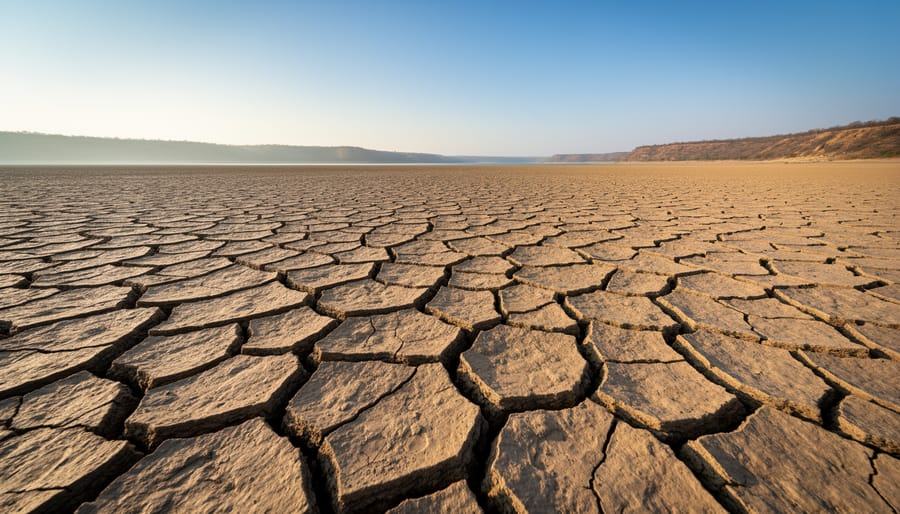
Near Pigeon Lake, Alberta, a field photographed in early May 2022 told the story visually: parched soil stretched to the horizon when spring moisture should have been abundant. That image captured what communities across vulnerable regions increasingly face, drought arriving earlier, lasting longer, and hitting harder than previous generations remember.
Local ecosystems feel the strain alongside humans. Wetlands shrink, reducing habitat for birds and amphibians. Rivers run lower, stressing fish populations. The web of life that supports your community’s natural spaces becomes fragile when water disappears, creating cascading effects that touch everyone who values the outdoors.
Extreme Weather Events: From Heatwaves to Storms
Climate change doesn’t just warm the planet gradually, it supercharges our weather systems, making them more unpredictable and extreme. You’ve probably noticed it yourself: summers that feel dangerously hot, storms that seem to come out of nowhere, and weather patterns that no longer follow the seasons your grandparents knew.
Heatwaves are becoming longer, hotter, and more frequent. Cities that once enjoyed mild summers now see temperatures climb above 40°C, turning concrete neighborhoods into furnaces. These aren’t just uncomfortable days, extreme heat causes heat exhaustion, heat stroke, and worsens existing health conditions like heart disease. It forces cities and workplaces to adapt, sometimes shifting to siestas and late nights to avoid the worst afternoon heat. Outdoor workers, elderly people, and those without air conditioning face the greatest risks.
The weather we once considered unusual is becoming our new normal, arriving faster and hitting harder than scientists initially predicted.
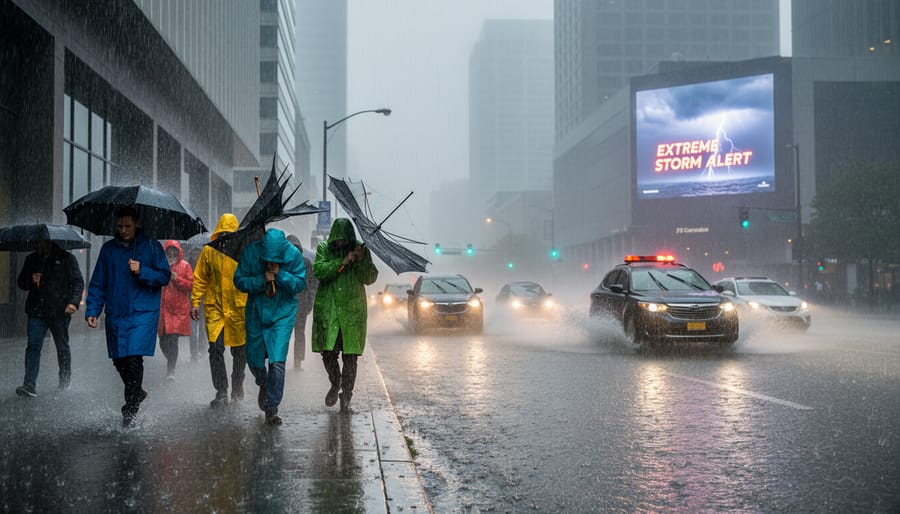
Storms are intensifying too. Warmer air holds more moisture, which means heavier rainfall when storms do occur. Flash flooding can overwhelm drainage systems in minutes, turning streets into rivers and basements into swimming pools. Hurricane-force winds and severe thunderstorms now pack more punch, downing power lines, ripping off roofs, and leaving communities scrambling to recover.
The infrastructure we rely on wasn’t built for this level of intensity. Roads buckle under extreme heat, bridges weaken from repeated flooding, and power grids struggle during peak demand when everyone cranks up the air conditioning. These failures aren’t abstract, they mean spoiled food, missed work, closed schools, and sometimes life-threatening situations for vulnerable people.
What makes this particularly challenging is the unpredictability. Cold snaps can still happen, but they might arrive weeks later than expected, damaging early-blooming plants and disrupting agriculture. Dry spells suddenly break with torrential rain. This weather whiplash makes planning difficult for farmers, city planners, and families alike.
Ecosystem Disruption and Biodiversity Loss
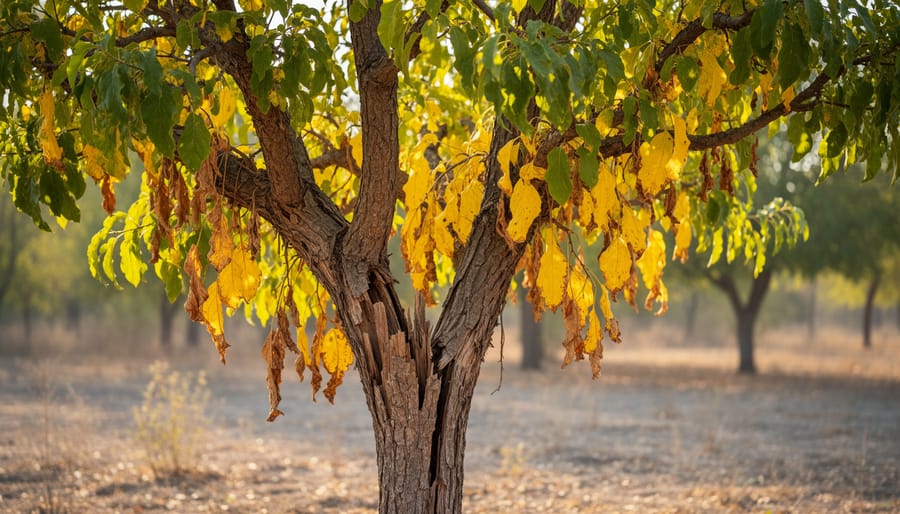
Climate change is reshaping where plants and animals can survive, pushing many species into unfamiliar territory or leaving them with nowhere to go. As temperatures rise, countless species are migrating toward cooler regions or higher elevations, disrupting established ecosystems that have existed for centuries. Forests face mounting stress from heat, drought, and pests that thrive in warmer conditions, weakening their ability to store carbon and provide habitat. In the oceans, coral reefs are bleaching as warming waters force the tiny algae that nourish them to abandon their hosts, leaving behind ghostly white skeletons where vibrant underwater cities once thrived.
This disruption matters more than you might think. Biodiversity isn’t just about protecting charismatic wildlife; it’s the invisible support system that keeps our world functioning. Bees and other pollinators, for instance, are responsible for roughly one-third of the food we eat, but shifting climates are throwing off the timing between when flowers bloom and when pollinators emerge. Food chains are unraveling as predators arrive at breeding grounds only to find their prey has already migrated elsewhere. The forests, wetlands, and grasslands that regulate our water supply and filter our air are losing the rich mix of species that makes them resilient.
When we lose biodiversity, we lose nature’s backup plans. A forest with dozens of tree species can better withstand disease or drought than a monoculture. Diverse ecosystems bounce back faster from disturbances and provide more reliable resources, from clean water to natural pest control. The species disappearing today took millions of years to evolve, and with them go potential medicines, crop varieties, and solutions to problems we haven’t even encountered yet. Understanding these connections helps us see why protecting diverse habitats isn’t just about nature; it’s about preserving the life support systems we depend on every day.
Human Health Impacts You Should Know About
Climate change isn’t just about melting ice caps or distant ecosystems. It’s affecting human health in ways that touch your family right now. When temperatures soar, heat-related illnesses spike, making it crucial to know how to exercise safely during heatwaves and keep pets cool during extreme weather events.
The air we breathe is changing too. Longer wildfire seasons blanket communities in smoke, triggering respiratory problems and asthma attacks. Poor air quality days that used to be rare are becoming routine in many regions, forcing parents to keep children indoors and vulnerable adults to cancel outdoor plans.
Warmer winters and shifting seasons are allowing disease-carrying insects like ticks and mosquitoes to expand their ranges northward into areas where they were once uncommon. This means families in previously unaffected regions now face exposure to Lyme disease and other illnesses that weren’t local health concerns before.
The mental health toll is real too. Climate anxiety affects people who witness environmental changes firsthand, while extreme weather events and natural disasters leave lasting psychological impacts on survivors and entire communities.
Food security is also at stake. Droughts, floods, and unpredictable growing seasons disrupt crop yields, affecting both availability and prices at your local grocery store. When farms struggle with water shortages and heat stress, the effects ripple through the entire food system.
Understanding these health connections empowers you to take protective measures for yourself and your family while supporting broader community resilience efforts.
What You Can Do About Climate Change Effects
Understanding climate change effects positions you to respond effectively. Here are concrete steps that translate awareness into meaningful action.
Start with changes that address the root causes while building resilience in your daily life:
- Conserve water deliberately. Install low-flow fixtures, collect rainwater for gardens, fix leaks promptly, and choose drought-resistant native plants. These habits matter even more as shifting precipitation patterns make water less predictable.
- Upgrade your home’s energy efficiency. Better insulation, LED lighting, and programmable thermostats cut your carbon footprint while lowering bills. Consider solar energy resilience as a long-term investment that protects you from grid instability during extreme weather.
- Support local sustainable businesses. Your purchasing choices send powerful signals. Farmers’ markets, businesses with genuine environmental commitments, and companies prioritizing renewable energy deserve your support.
- Reduce waste strategically. Composting cuts methane from landfills, while buying less overall matters more than perfect recycling. Question whether you need something before buying it.
- Engage with community climate efforts. Attend local meetings, join environmental groups, or start conversations with neighbors about shared solutions like community gardens or carpooling networks.
The Martinez family in Phoenix demonstrates what’s possible. After experiencing a week-long power outage during a 2025 heatwave, they installed rooftop solar panels and battery storage. Now they provide solar power during heatwaves not just for themselves but also share emergency power with elderly neighbors. Their initial investment became a neighborhood resilience model that inspired four other families to follow suit.
Small consistent actions accumulate into substantial impact. You don’t need to overhaul your entire life overnight. Pick two items from the list above, implement them this month, then add more as they become habit. Your individual choices matter, but they also ripple outward, influencing others and demonstrating that practical solutions exist right now.
Understanding what climate change causes isn’t just about grasping scientific facts, it’s about recognizing how these changes touch your life and what you can do about them. The effects we’ve explored, from water scarcity to extreme weather and health impacts, are serious challenges. But here’s the encouraging truth: your actions matter more than you might think.
Every water-saving habit you adopt, every energy-efficient choice you make, and every conversation you start about sustainability creates ripples of positive change. When you understand the connections between climate change and its effects, you’re better equipped to make decisions that protect both your community and the planet.
You don’t need to solve everything at once. Start with one practical step from what you’ve learned here, maybe it’s improving your home’s water efficiency or supporting local sustainable initiatives. These small actions, multiplied across thousands of people like you, build the momentum we need for meaningful environmental change.
The path to sustainability isn’t walked alone. By taking even modest steps today, you’re contributing to a healthier, more resilient future for everyone. That’s the power you hold, and it starts right now, with the choices you make in your own backyard.