
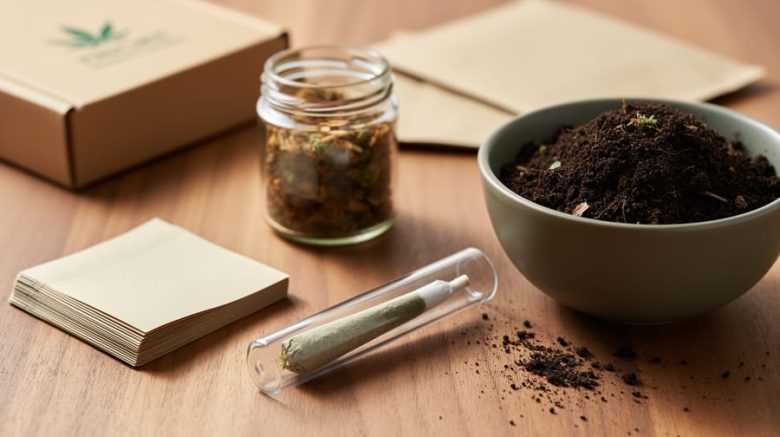
Reducing cannabis waste starts with three simple actions: choosing reusable accessories, composting organic plant material, and properly recycling packaging materials. These steps can cut your cannabis-related waste by up to 70% while helping you make the most of every product you purchase, including best THCA pre-rolls.
The cannabis industry generates significant packaging waste, from single-use plastic tubes to mylar bags and cardboard boxes. When you enjoy pre-rolls, you’re often left with paper tips, roach material, and containers that seem destined for the landfill. But there’s a better way.
This guide walks you through seven practical strategies that transform how you handle cannabis waste. You’ll learn which packaging materials your local recycling program accepts, how to turn leftover plant matter into nutrient-rich compost, and smart ways to extend the life of your accessories. Each tip addresses a specific waste stream in your cannabis routine, whether you’re dealing with used rolling papers, empty pre-roll tubes, or ash.
What makes these strategies work is their simplicity. You don’t need specialized equipment or extensive knowledge. Most of these methods take just minutes to implement and immediately create a lower footprint. The environmental impact adds up quickly when you consider that the average cannabis consumer generates roughly 5-7 pounds of packaging waste annually.
Whether you’re new to sustainable cannabis consumption or looking to refine your existing habits, these tips meet you where you are. Small changes in how you purchase, use, and dispose of cannabis products create meaningful environmental benefits without compromising your experience.
Why Cannabis Waste Reduction Matters in 2026
The cannabis industry generates an estimated 150 million pounds of waste annually, with packaging alone accounting for roughly one-third of that total. Single-use accessories, mylar bags, plastic containers, and excessive product wrapping create a mounting environmental burden that contradicts the plant-centered, nature-respecting values many cannabis users hold dear. For THCA pre-roll consumers specifically, the waste adds up quickly: each tube, each cardboard sleeve, each foil-wrapped pack contributes to landfills when better options exist.
What makes this particularly urgent in 2026 is the industry’s rapid expansion without corresponding waste infrastructure. Most municipalities lack specialized cannabis recycling programs, meaning the majority of packaging ends up in landfills regardless of whether it could theoretically be recycled. When you choose reusable accessories, support brands with minimal packaging, or properly compost plant material, you create demand for responsible practices. Cannabis culture has always emphasized connection to the earth and mindful consumption. Reducing waste is simply an extension of those values, turning everyday consumption into an opportunity for positive environmental impact.
How We Chose These Tips
We selected these seven tips based on four key criteria that ensure they’re genuinely useful for THCA pre-roll consumers.
First, practicality matters. Each tip works in everyday home settings without requiring specialized knowledge or equipment. You won’t need industrial composters or access to rare recycling facilities.
Second, we prioritized real-world impact. These aren’t token gestures, they address the most common waste streams from pre-roll consumption: packaging materials, plant matter, and accessories that typically end up in landfills.
Third, accessibility guided our choices. Whether you live in an apartment or a house, urban or rural, at least five of these tips will work for your situation.
Finally, we focused specifically on THCA pre-roll habits. These tips reflect actual consumption patterns and waste produced by pre-roll users, not generic cannabis advice retrofitted to your needs.
1. Reuse Glass Pre-Roll Tubes for Storage and Organization
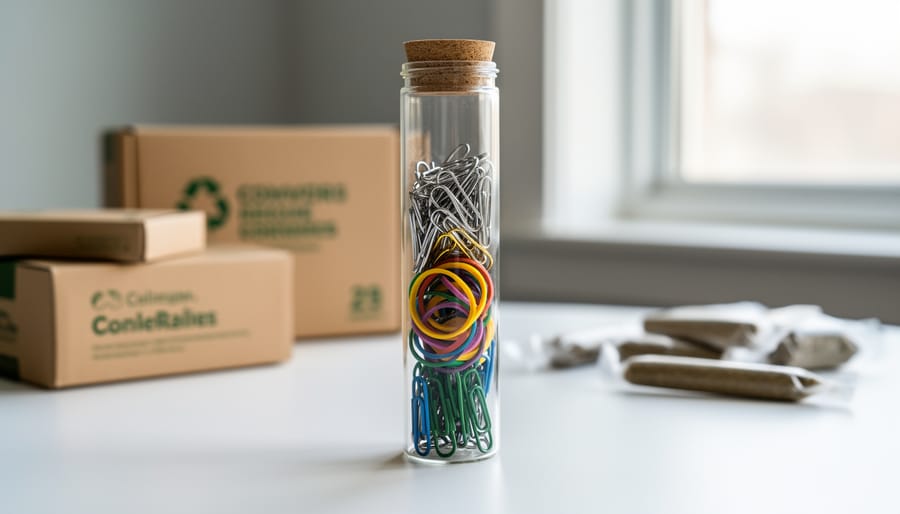
Those empty glass and plastic tubes that held your THCA pre-rolls don’t have to end up in the trash. With a quick rinse, they become surprisingly versatile storage containers that can organize everything from craft supplies to kitchen staples.
Start by cleaning your tubes thoroughly. Remove any labels by soaking the tube in warm, soapy water for 10-15 minutes, then scrub off residue with a bottle brush or pipe cleaner. For stubborn sticky spots, a little rubbing alcohol on a cotton swab works wonders. Rinse well and let air dry completely before reusing.
Once clean, these compact, airtight containers are perfect for countless household uses:
- Storing small beads, buttons, or sewing notions in your craft room
- Organizing spices, salt, or herbs for camping trips and travel
- Keeping garden seeds sorted and protected from moisture
- Holding vitamins or medication for purses and gym bags
- Storing small hardware like screws, nails, or picture hooks in your workshop
- Organizing loose change, earbuds, or charging cables in your car
Sarah, a THCA pre-roll enthusiast from Portland, transformed her collection of glass tubes into a seed library for her vegetable garden. She labels each tube with the variety and harvest year, keeping her heirloom tomato and pepper seeds organized and viable for multiple seasons. “I’ve saved dozens of tubes over the past year,” she shares. “Now my whole seed collection fits in one small drawer, and nothing gets mixed up or exposed to humidity.”
The durability of glass tubes especially means they can be washed and reused repeatedly, making them a smart zero-waste solution that keeps functional items out of landfills.
2. Compost Leftover Cannabis Plant Material
Composting leftover cannabis material is one of the most eco-friendly ways to handle roaches, ash, and organic packaging from your THCA pre-rolls. The process is straightforward: cannabis plant matter breaks down just like other organic materials, returning nutrients to the soil instead of sitting in a landfill.
Start by separating what’s truly compostable. Roaches from pure hemp or unbleached paper pre-rolls can go straight into your compost bin, along with any leftover plant material or ash (use ash sparingly, a light sprinkling is fine, but too much can throw off your compost’s pH balance). Hemp-based packaging, uncoated cardboard boxes, and plain paper inserts are all compost-friendly. Break them into smaller pieces to speed up decomposition.
If you’re unsure whether a filter is compostable, check the product description or ask your dispensary. Glass and metal tips should be cleaned and reused, not composted.
For apartment dwellers without access to a traditional compost bin, you’ve got options. Countertop composting systems like electric composters or bokashi bins work well in small spaces and handle cannabis material without odor issues. Many cities now offer municipal composting programs where you can drop off organic waste at farmer’s markets or designated collection points. Some community gardens also accept compostable material from local residents.
If those options aren’t available, consider starting a small vermicompost bin with red wiggler worms, they’ll happily process your cannabis scraps in a compact container that fits under your sink. One user in Portland reported that her worm bin handled roaches and plant material so efficiently that she now produces rich compost for her balcony herb garden year-round.
3. Choose Brands with Minimal, Recyclable Packaging
Every time you purchase THCA pre-rolls, you’re making a choice about waste. Some brands wrap products in layers of plastic, mylar, and non-recyclable materials. Others have committed to minimizing their environmental footprint through thoughtful packaging design.
When shopping, look for brands that use simple cardboard boxes instead of plastic clamshells. Check if the packaging clearly states “recyclable” or “made from recycled materials.” Many sustainable brands now use biodegradable hemp paper, unbleached cardboard, or even mushroom-based packaging materials that break down naturally. Some premium brands offer refillable glass tubes where you can return the container for your next purchase.
The information matters because switching to eco-conscious brands sends a clear market signal. Companies track which products move fastest, and your purchasing decisions directly influence future packaging choices across the industry.
Next time you’re at a dispensary, don’t hesitate to ask questions. Try: “Which of your THCA pre-roll brands use recyclable packaging?” or “Do any companies offer take-back programs?” Budtenders often know which brands prioritize sustainability, and asking these questions reminds dispensaries that customers care about environmental impact.
One regular customer in Portland started requesting sustainable options consistently. Within six months, her local dispensary expanded their eco-friendly product line by 40% because multiple customers had asked similar questions.
Your wallet is a voting mechanism. Choose brands that align with your values, and you’ll reduce waste while encouraging the entire cannabis industry to shift toward better practices.
4. Recycle Cardboard and Paper Packaging Correctly
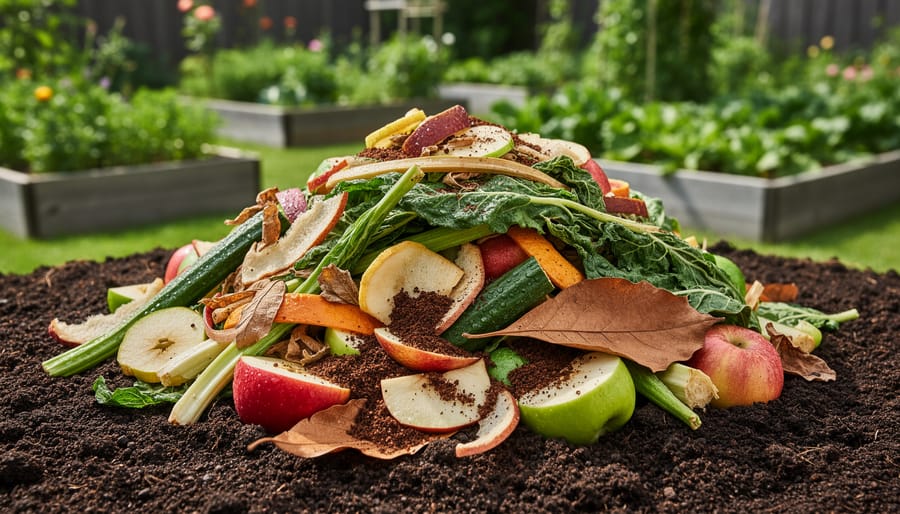
Most THCA pre-roll packaging arrives in cardboard boxes with paper inserts, and these materials are prime candidates for recycling, if you do it right. Tossing them in the bin without a second thought can contaminate your recycling stream and undermine your good intentions.
Start by checking your local recycling guidelines. Municipal programs vary widely on what they accept, and cannabis packaging sometimes falls into gray areas due to residue concerns. Most areas accept clean cardboard and paper, but it’s worth a quick search on your city’s waste management website or a call to confirm.
Before recycling, remove anything that isn’t paper or cardboard. Peel off foil-lined labels, plastic windows, and glossy stickers, these contaminants can jam sorting equipment or make the entire batch unrecyclable. If a box has a clear plastic window showcasing the pre-rolls, carefully tear or cut that section out and discard it separately.
Flatten your boxes. This simple step saves space in your recycling bin and makes processing more efficient at the sorting facility. Break down larger multi-pack boxes and nest smaller ones together.
One quick note: if packaging has heavy cannabis residue, oil stains, or strong odors, your recycling center may reject it. When in doubt, a light wipe with a dry cloth can make the difference between recyclable and trash. Small efforts here multiply across millions of cannabis consumers nationwide.
5. Repurpose Strain Jars and Tins as Household Containers
Those small glass jars and metal tins from premium THCA pre-roll sets are too sturdy to toss. With a quick wash, they become perfect storage for spices, buttons, bobby pins, vitamins, or small office supplies like paper clips and thumbtacks.
In the kitchen, these containers shine. Transfer bulk spices into clean strain jars to keep them fresh and visible in your pantry. Label them with washi tape or a label maker, and suddenly your spice drawer looks organized. The airtight seals on many cannabis jars actually work better than the flimsy containers spices come in at the store.
For crafters, the possibilities multiply. Store beads, sequins, embroidery floss, or small hardware like screws and nails. One community member, Sarah from Portland, transformed a collection of fifteen tins into her entire bead storage system. She mounted magnetic strips on her craft room wall and stuck the metal tins right to them, creating easy-access storage that keeps supplies sorted by color.
Travel is another smart use. Fill a small jar with jewelry, medication, or emergency cash before a trip. The secure lids prevent spills in your luggage.
These simple reuses extend product lifecycles without any special skills or equipment. When many people adopt this habit, it becomes collective action that reduces demand for new plastic containers.
6. Save and Reuse Hemp or Cotton Filter Tips
Most THCA pre-roll filter tips end up in the trash after a single session, but switching to reusable options can dramatically cut your waste footprint. Glass and metal tips last indefinitely with proper care, while some hemp tips can be cleaned and reused several times before composting them. The shift saves money and keeps hundreds of disposable filters out of landfills each year.
Reusable tips come in three main types. Glass tips offer the cleanest taste and are dishwasher safe, making them ideal for daily users. Metal tips, usually made from stainless steel or aluminum, are nearly indestructible and work well for on-the-go sessions. High-quality hemp tips with denser weaves can handle two to three uses if you clean them gently, though they’ll eventually break down.
Cleaning your reusable tips takes just a few minutes. For glass tips, soak them in isopropyl alcohol for 15 minutes, then scrub with a pipe cleaner and rinse thoroughly with hot water. Metal tips respond well to boiling water, just drop them in a pot for five minutes, let them cool, and wipe away residue with a cotton swab. Hemp tips require a gentler approach: rinse under warm water immediately after use and let them air dry completely before the next session.
The financial argument is compelling. A quality glass tip costs around eight dollars and replaces roughly 200 disposable filters over a year, saving you 30 dollars or more depending on your consumption habits. You’ll also notice improved airflow and flavor since reusable tips don’t accumulate the paper taste that disposable filters sometimes carry. Start with one reusable tip to test the routine, then expand your collection as the habit sticks. Keep a small container of isopropyl alcohol and pipe cleaners near your storage area so cleaning becomes a quick, automatic step in your session routine.
7. Participate in Take-Back and Recycling Programs
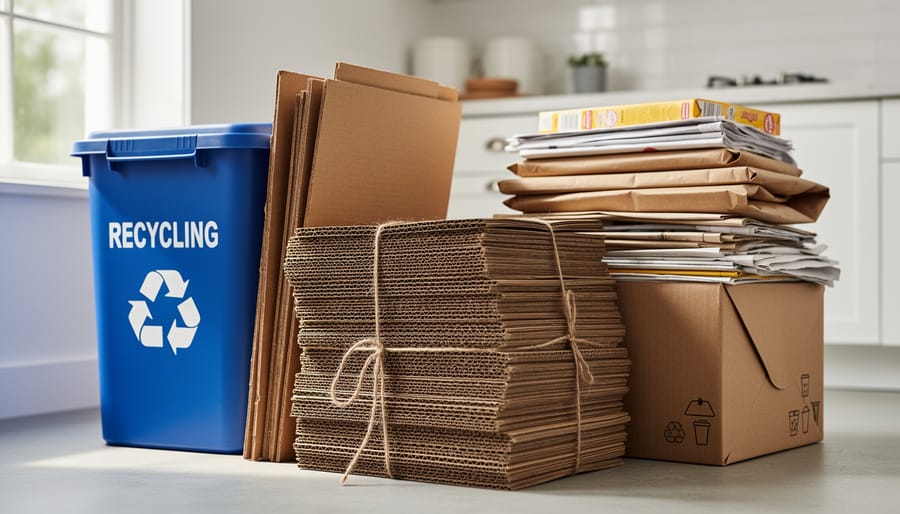
Many dispensaries and cannabis brands now offer take-back programs that make proper recycling easier than ever. These initiatives accept used packaging, batteries from vape products, and even certain accessories, ensuring they’re recycled or disposed of responsibly rather than ending up in landfills.
Next time you visit your local dispensary, ask if they participate in any take-back programs. Some brands provide collection boxes right at the counter where you can drop off empty pre-roll tubes, cardboard boxes, and other packaging materials. Programs like these often partner with specialized recyclers who can process cannabis packaging that regular curbside pickup won’t accept.
If your dispensary doesn’t currently offer a take-back program, speak up. Let budtenders and managers know you’d appreciate seeing one implemented. When customers request sustainable options, dispensaries listen. You can also check brand websites directly, many larger THCA pre-roll companies now offer mail-back programs where you collect packaging at home and ship it back using prepaid labels.
Building these environmental habits sends a powerful market signal. The more consumers engage with take-back programs, the more brands will invest in them, creating a positive feedback loop that benefits everyone. Even if participation feels inconvenient at first, you’re helping establish infrastructure that makes cannabis consumption more sustainable for the entire community.
Small Changes, Big Impact: Your Next Steps
You don’t need to overhaul your entire routine tomorrow. Start with one tip, maybe composting your roaches or choosing a brand with recyclable packaging next time you restock. That single shift creates a ripple effect. As you build the habit, add another practice. Before long, you’ve cut your cannabis waste significantly without disrupting your lifestyle.
Your choices matter beyond your own bin. When dispensaries notice customers asking about sustainable packaging and returning tubes for reuse, they respond. Brands track what sells and what gets praised online. By supporting companies committed to reducing waste, you’re signaling what the market should prioritize, the same way energy efficiency advocates shifted power consumption norms through collective demand.
Have a cannabis waste reduction strategy that works for you? Share it with friends or post it in online communities. Real tips from real users inspire others and keep the conversation growing. Small individual actions become industry transformation when enough of us commit to them. Your next pre-roll purchase is an opportunity to make that choice count.
Common Questions About Cannabis Waste and Recycling
Can I recycle mylar bags from cannabis products?
Most curbside programs don’t accept mylar bags because they’re made from mixed materials (plastic and aluminum) that are difficult to separate. Check if your local dispensary offers a take-back program, or look for specialized recycling services that handle flexible packaging.
Is cannabis ash safe to add to my compost?
Yes, ash from THCA pre-rolls can go in compost, but use it sparingly. Wood ash is alkaline and can change your compost’s pH balance if you add too much, so sprinkle it in occasionally rather than dumping large amounts at once.
What should I do if my area has no cannabis recycling options?
Start by focusing on the tips that don’t require special programs: reusing tubes and jars, composting plant material, and choosing products with standard recyclable packaging like cardboard. You can also contact local dispensaries to ask if they’d consider starting a take-back program, as customer demand often drives these initiatives.
Are biodegradable pre-roll tubes actually better for the environment?
They can be, but it depends on what happens to them after use. Biodegradable tubes need commercial composting facilities to break down properly, which many areas lack. If you don’t have access to such facilities, a reusable glass tube you clean and repurpose might have less environmental impact than a biodegradable tube heading to a landfill.
Can I recycle pre-roll packaging that still smells like cannabis?
Yes, residual smell won’t affect recyclability for paper and cardboard items. Give containers a quick rinse if possible, but recycling facilities handle much worse, and a faint odor won’t contaminate the recycling stream.
These questions come up constantly in cannabis sustainability conversations, and they highlight a broader truth: the recycling landscape for cannabis products is still evolving. What works in Colorado might not work in your state, and what your local facility accepts today could change next year as technology improves.
The good news? You don’t need perfect answers to make a difference. Even when you hit a roadblock with one type of waste, you’ve got options with another. Can’t recycle those mylar bags? Focus your energy on composting, reusing jars, or supporting brands that have moved away from problem packaging entirely. Progress beats perfection, and your willingness to ask these questions means you’re already contributing to the cultural shift that’s pushing the cannabis industry toward better practices.