
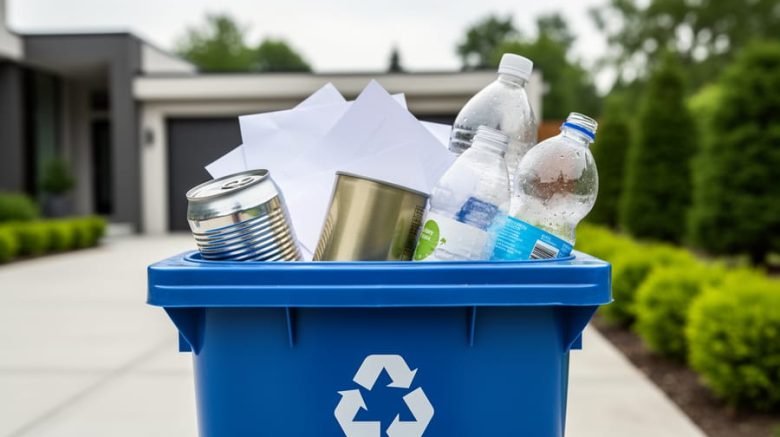
Yes, recycling saves significant energy. Manufacturing products from recycled materials uses 30-95% less energy than creating them from raw resources, with aluminum leading the pack at 95% energy savings, steel at 74%, paper at 68%, and plastics averaging 70%. When you toss an aluminum can into the recycling bin, you’re preserving enough energy to power a laptop for three hours. Scale that across a community of 10,000 households, and the annual energy savings equal taking 700 cars off the road.
This energy reduction matters because manufacturing from virgin materials is one of the most energy-intensive industrial processes we undertake. Mining ore, harvesting timber, and extracting petroleum demand massive amounts of electricity and fuel, often generated from fossil fuels. Every recycled product that skips this extraction phase directly reduces our dependence on renewable energy infrastructure demands and cuts greenhouse gas emissions.
The connection between your recycling bin and actual energy conservation is straightforward: recycled materials arrive at factories already refined and processed. Melting down used aluminum requires only heating metal to its melting point, while creating new aluminum from bauxite ore demands energy-hungry chemical processes including electrolysis. Paper mills using recycled pulp skip the tree-harvesting, transport, and chemical breakdown stages entirely.
But not all recycling delivers equal energy savings, and contamination can erase the benefits completely. Understanding which materials matter most and how to recycle them properly transforms good intentions into measurable impact.
Why Recycling Saves Energy: The Science Behind the Process

Recycling saves energy because it sidesteps the most power-hungry steps in manufacturing: extracting and processing raw materials from the earth. When you toss an aluminum can into the recycling bin instead of the trash, you’re helping avoid the enormous energy cost of mining bauxite ore, shipping it to refineries, and running it through electrolysis to produce new aluminum. That single decision cuts energy use by up to 95%.
The difference comes down to where the process starts. Creating products from virgin materials means drilling for oil, quarrying limestone, felling trees, or digging up metal ores. These extraction operations require heavy machinery, transportation networks, and often chemical processing. Refining raw materials into usable forms demands even more energy. Smelting iron ore into steel, for example, requires blast furnaces that reach temperatures above 2,000 degrees Fahrenheit.
Recycling changes the equation entirely. Instead of starting with rocks or crude oil, manufacturers begin with materials that have already been refined once. A recycled plastic bottle has already gone through the energy-intensive conversion from petroleum to polymer. Melting it down and reshaping it takes a fraction of the energy compared to synthesizing new plastic from scratch.
The energy savings vary by material because different substances require different levels of initial processing. Aluminum starts as an ore that must be electrically separated into pure metal, which is why recycling it saves so much power. Paper recycling avoids the energy used to harvest trees, transport logs, and chemically break down wood fibers into pulp. Even materials with smaller percentage savings, like glass, still reduce energy consumption because melting recycled glass requires lower temperatures than melting raw sand, limestone, and soda ash together.
The principle remains consistent across all materials: reprocessing beats starting from zero.
Energy Savings by Material: What Makes the Biggest Impact
Aluminum: The Energy-Saving Champion
Recycling aluminum delivers the most dramatic energy savings of any common household material. When you toss an aluminum can into the recycling bin instead of the trash, you’re helping save 95% of the energy that would be needed to produce new aluminum from bauxite ore.
The numbers tell a compelling story. Creating aluminum from raw bauxite requires massive amounts of electricity to power smelting operations, roughly 14,000 kilowatt-hours per ton. Recycling that same ton of aluminum uses only about 750 kilowatt-hours. That’s enough saved energy to power an average home for more than ten months.
This energy advantage comes from skipping the most power-hungry manufacturing steps. Mining bauxite, refining it into alumina, and then smelting it into metallic aluminum demands intense heat and electrical current. Recycled aluminum, already in usable form, simply needs melting and reforming, a far less energy-intensive process.
The environmental payoff extends beyond your electric bill. Every ton of recycled aluminum prevents about nine tons of CO2 emissions compared to virgin production. Since aluminum cans can be recycled infinitely without quality loss, each one you recycle maintains that energy-saving potential forever.
Steel and Metal Recycling
Steel stands as one of the most recycled materials globally, and for good reason, recycling steel saves between 60% and 74% of the energy required to produce it from iron ore. This massive reduction matters because steel manufacturing is notoriously energy-intensive, requiring blast furnaces that reach temperatures over 2,500°F. When you recycle steel cans, appliances, or construction materials, you’re helping skip the mining, transporting, and smelting of raw iron ore.
The industrial impact is substantial. Secondary steel uses less energy because it melts at lower temperatures and bypasses the most power-hungry stages of production. Steel mills that process recycled material consume roughly one-third of the electricity needed for virgin steel production. Since steel is endlessly recyclable without quality loss, the same material can cycle through the system repeatedly, compounding energy savings over time.
For your household, this means every steel food can, aerosol container, and old metal shelving unit you recycle contributes to reducing industrial energy demand, the kind that typically relies on coal and natural gas power plants.
Paper and Cardboard
Recycling paper and cardboard saves approximately 40-60% of the energy required to produce paper from virgin wood fibers. This substantial reduction comes from skipping two major energy drains: industrial tree harvesting with its heavy machinery and fuel consumption, and the chemical-intensive pulping process that breaks raw wood into usable fiber.
When you recycle paper, mills need less energy to de-ink and re-pulp existing fibers compared to chemically processing whole logs. The recycling process uses fewer chemicals, requires lower temperatures, and eliminates the energy spent transporting logs from forests to mills.
Each ton of recycled paper saves enough energy to power an average home for six months. Beyond energy, paper recycling also conserves water, using about 70% less than virgin paper production, and reduces the strain on forests that act as carbon sinks. Your junk mail, cardboard boxes, and office paper become valuable energy-saving resources rather than landfill waste.
Plastics: Variable but Valuable
Plastic recycling presents a more complicated energy-saving picture than aluminum or steel, but the benefits still matter. Energy savings range from 70-90% for PET plastics (think water bottles and food containers) down to 20-30% for some mixed plastics, depending on resin type and contamination levels.
The variation comes from seven different plastic types, each requiring different processing methods. PET (#1) and HDPE (#2) deliver the strongest energy savings because they’re easier to clean and reprocess. These two types alone account for roughly 60% of household plastic waste. More complex plastics like polystyrene (#6) or multi-layer packaging save less energy but still beat virgin production.
Here’s what complicates things: contamination. A yogurt container with food residue requires extra energy to clean, reducing the net savings. That’s why rinsing your plastics before recycling genuinely matters. While plastic recycling won’t match aluminum’s impressive numbers, diverting these materials from landfills while cutting manufacturing energy by even 30% represents meaningful progress.
Glass Recycling Benefits
Glass recycling saves approximately 30% of the energy required to manufacture new glass from raw materials like sand, soda ash, and limestone. While this percentage seems modest compared to aluminum’s 95%, it translates to substantial energy conservation when you consider glass production’s high baseline energy demands. Melting sand into glass requires sustained temperatures around 2,600°F, a process that consumes enormous amounts of natural gas or electricity.
The real advantage of glass lies in its infinite recyclability. Unlike plastic, which degrades with each recycling cycle, glass can be melted and reformed endlessly without losing quality or purity. A bottle recycled today could become a new container next month, then be recycled again decades later, delivering those 30% energy savings repeatedly. This cumulative benefit makes glass recycling a reliable long-term energy saver, especially as communities improve collection rates and reduce contamination that forces glass to landfills instead of recycling facilities.
The Bigger Picture: How Community Recycling Translates to Power Savings
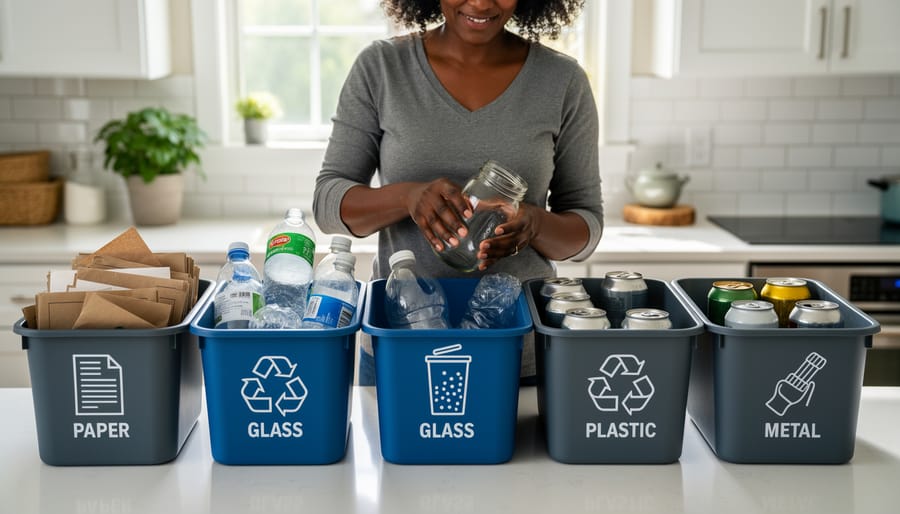
When your neighborhood recycles consistently, the energy savings multiply fast. A single household recycling aluminum cans saves enough energy to power a TV for three hours. Scale that to 100 homes, and you’re powering those TVs for weeks. Expand to 10,000 households across a city, and the energy conserved could run a school for months.
San Francisco demonstrates how community recycling impact translates to real power savings. After implementing mandatory composting and recycling in 2009, the city now diverts 80% of waste from landfills. This effort saves approximately 90,000 metric tons of CO2 annually, equivalent to removing 19,000 cars from roads. The energy conserved through their aluminum and metal recycling alone powers roughly 15,000 homes each year.
Wisconsin’s Brown County offers another compelling example. Their comprehensive recycling program processes 40,000 tons of materials yearly, saving enough energy to power 3,500 homes for twelve months. Residents didn’t need fancy equipment, just consistent sorting and participation. The county tracks these metrics publicly, showing residents exactly how their efforts translate to measurable energy reductions.
At the national level, American recycling efforts in 2025 saved energy equivalent to 18 million households’ annual electricity use. That’s comparable to powering every home in Florida and Georgia combined. The research in community environmental science confirms what these numbers show: individual actions create exponential impact when multiplied across populations.
Your neighborhood’s recycling bin might seem small, but when every block participates, you’re collectively reducing the energy demand from manufacturing plants. Those plants can then scale back production from virgin materials, cutting their power consumption significantly. The energy grid notices when communities recycle consistently, it means fewer megawatts needed for industrial production and more capacity for essential services.
Maximizing Your Energy-Saving Impact Through Better Recycling
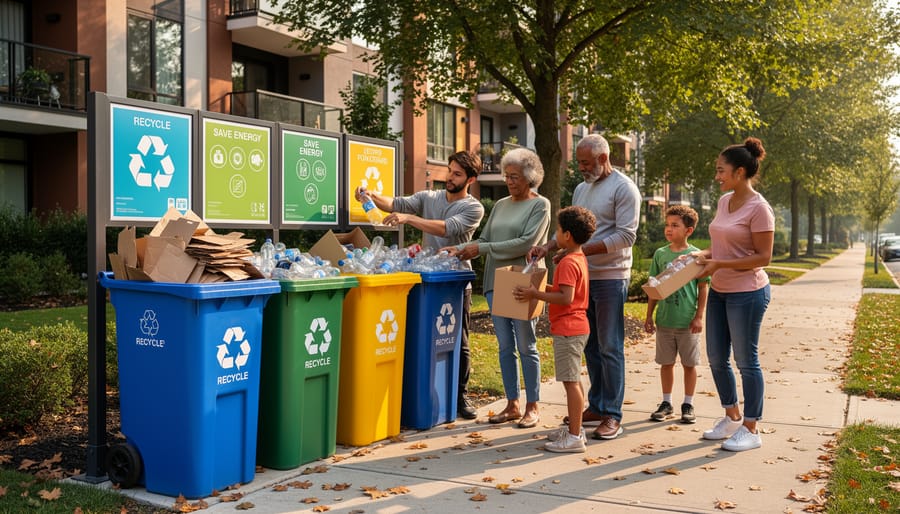
You’ve already learned which materials deliver the biggest energy savings, but knowing what to recycle is only half the battle. How you recycle determines whether your efforts translate into maximum energy conservation or get undermined by contamination and processing inefficiencies.
Start with cleanliness. Rinse food residue from containers before tossing them in the bin. A single greasy pizza box or peanut butter jar can contaminate an entire batch of recyclables, forcing facilities to send the whole load to landfills where it saves zero energy. You don’t need spotless containers, just a quick rinse to remove obvious food waste.
Learn your local rules. Recycling programs vary dramatically by location, and tossing items into your bin based on wishful thinking creates problems. Check your municipality’s website or call your waste hauler to get a definitive list of accepted materials. When you recalibrate your habits to match what your local facility actually processes, you ensure your recyclables get turned into new products rather than rejected.
Break down cardboard boxes completely flat. Bulky boxes take up truck space, meaning more collection trips and wasted fuel. Flattened cardboard maximizes transport efficiency and helps your community achieve the energy savings recycling promises.
Remove caps and lids when required by your program. Some facilities want them off because different plastics can’t be processed together. Others have upgraded equipment that handles caps. Following your specific program’s guidelines prevents sorting errors that waste the energy already invested in collection and initial processing.
Consider joining or initiating sustainable community changes that expand local recycling infrastructure. Advocate for curbside programs if your area lacks them, or push for acceptance of additional materials like flexible plastics. Collective action multiplies individual impact.
Finally, buy products made from recycled content whenever possible. Your purchasing choices create market demand that makes recycling economically viable, closing the loop that transforms your bin contents into energy-saving manufacturing feedstock.
Common Questions About Recycling and Energy Savings
Does the recycling process itself use a lot of energy?
Yes, recycling facilities do use energy, but significantly less than creating products from scratch. Even accounting for sorting, cleaning, and reprocessing, recycling aluminum still saves 95% of the energy needed for virgin production, and paper recycling saves 40-60% despite the pulping and drying processes.
Don’t transportation costs offset the energy savings?
Transportation does consume energy, but it’s typically a small fraction of the total savings. Studies show that transport energy represents less than 10% of the energy saved through recycling for most materials, meaning the net benefit remains substantial even after accounting for collection trucks and hauling to processing facilities.
Is recycling always better than throwing things away from an energy perspective?
In most cases, yes, but there are exceptions. Materials like aluminum, steel, and paper deliver clear energy savings. However, heavily contaminated recyclables that require extensive cleaning, or items that need to be shipped long distances to specialized facilities, might not always provide net energy benefits. Focus on clean, properly sorted materials for maximum impact.
How can I verify that my local recycling program actually saves energy?
Contact your municipal waste management department or recycling coordinator and ask where materials go after collection and what percentage actually gets reprocessed. Many cities publish annual sustainability reports detailing diversion rates and environmental impacts. You can also look for certifications or partnerships with reputable recycling processors.
These questions come up because recycling sometimes feels like an act of faith. You toss items in the blue bin and hope they make a difference, but you can’t see the energy savings happening. That uncertainty is reasonable, especially when you hear stories about recycling programs that fail or materials ending up in landfills anyway.
The truth is that legitimate recycling programs do deliver meaningful energy reductions, but quality matters. A well-run program with strong markets for recovered materials will process your recyclables efficiently and get them back into manufacturing. Programs that accept contaminated materials or lack end markets waste both your effort and energy.
If your city’s program seems questionable, get involved. Attend public meetings, ask questions, and push for transparency. Some communities have successfully advocated for better recycling infrastructure by showing officials the data on energy savings and environmental benefits. Your voice can improve not just your own recycling impact, but your entire community’s energy conservation efforts.
What You Need to Remember
Your recycling efforts create real, measurable energy savings every single time you place an item in the bin. The materials you recycle today mean power plants need to generate less electricity tomorrow for manufacturing processes. Aluminum stands out as your highest-impact choice, but steel, paper, and other materials all contribute meaningful energy reductions.
What makes recycling particularly powerful is how your actions connect with others. When your household recycles regularly, and your neighbors do the same, and local businesses participate too, those individual choices scale into community-wide energy conservation. A neighborhood of 500 homes recycling consistently can save the equivalent electricity of powering dozens of additional homes annually.
The energy you save through recycling works hand-in-hand with other sustainable practices you’ve already adopted. Reducing your energy use at home, choosing efficient transportation, and supporting local recycling infrastructure all reinforce each other. Each aluminum can you recycle, each cardboard box you break down, each glass jar you rinse contributes to a larger shift toward reduced energy consumption.
You’re not just sorting trash. You’re directly participating in energy conservation that has ripple effects throughout the power grid, manufacturing sector, and your local environment. Keep recycling, keep learning which materials matter most, and know that your consistent efforts are making a tangible difference in how much energy your community needs to function.