Mitigation Meaning: What It Is and How It Protects Our Environment and Communities
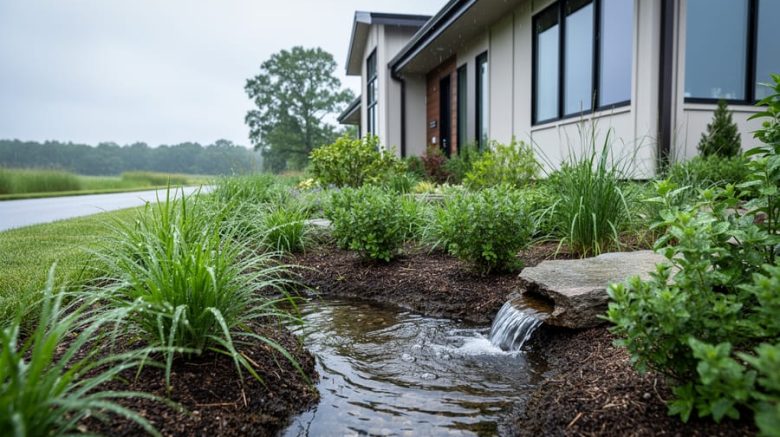
Rain garden with native plants and shallow water runoff captured beside a home, demonstrating mitigation through proactive stormwater management.

Mitigation means taking action now to reduce or prevent harm before a problem occurs. Whether you’re addressing flood risks in your neighborhood, cutting your household carbon emissions, or helping your community prepare for extreme weather, mitigation focuses on reducing future damage rather than reacting after disaster strikes.
Understanding mitigation matters because it saves lives, protects property, and tackles environmental challenges at their source. In emergency management, hazard mitigation remains a neglected aspect despite its power to break cycles of disaster and recovery. In climate action, mitigation strategies …

What Are Mitigation Strategies for Climate Change (and How Do They Work)?

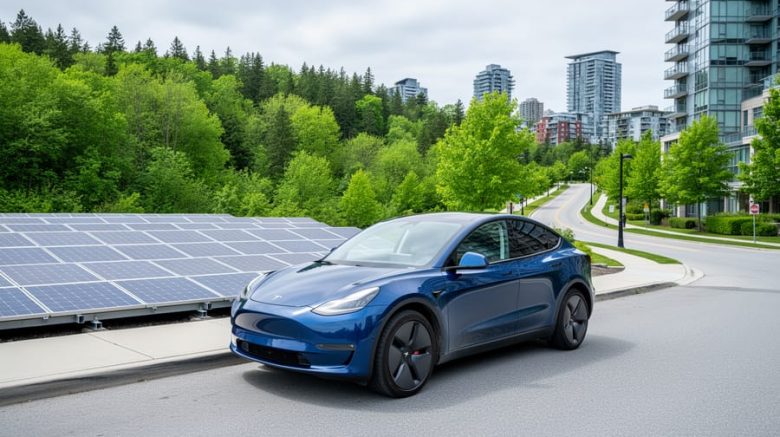
Electric vehicle next to a rooftop solar installation with nearby forest greenery, representing climate change mitigation through clean energy, low-emission transport, and carbon-storing forests.

Climate change mitigation strategies are deliberate actions taken to reduce greenhouse gas emissions or remove carbon from the atmosphere to limit global warming. These strategies target the root causes of climate change by addressing how we produce energy, manage land, design buildings, and move people and goods.
The science is clear: without significant intervention, rising temperatures will continue to disrupt ecosystems, threaten food security, and intensify extreme weather events. But here’s the encouraging part. We already have the tools and knowledge to make a meaningful difference. From shifting to renewable energy …

The World’s Largest Wind Turbines Are Now Floating on the Ocean

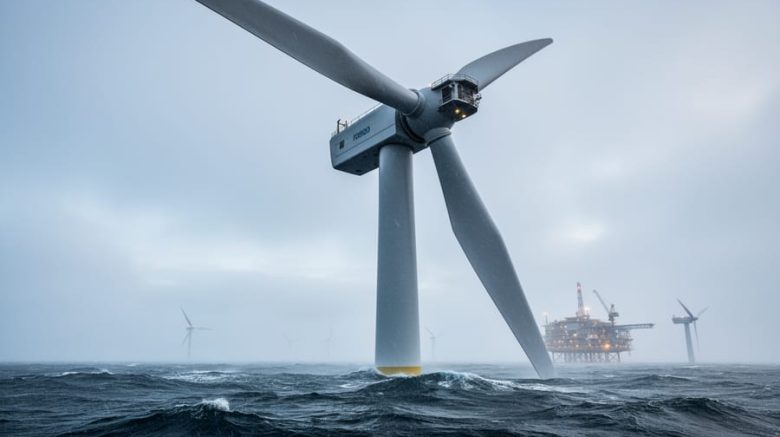
Low-angle view of a colossal floating offshore wind turbine with sweeping blades above the ocean under an overcast sky.

The world’s largest wind turbines tower over 850 feet tall and generate enough electricity to power more than 20,000 homes from a single machine. These giants represent the cutting edge of renewable energy technology in 2026, with offshore models now routinely producing 15 to 18 megawatts of clean power each.
If you’re curious about how big wind turbines have become and why size matters so much, you’re not alone. The dramatic growth in turbine scale over the past decade has transformed what’s possible in renewable energy. Where a typical turbine from 2010 might have stood 300 feet tall with 2-megawatt …