Mitigation means taking action now to reduce or prevent harm before a problem occurs. Whether you’re addressing flood risks in your neighborhood, cutting your household carbon emissions, or helping your community prepare for extreme weather, mitigation focuses on reducing future damage rather than reacting after disaster strikes.
Understanding mitigation matters because it saves lives, protects property, and tackles environmental challenges at their source. In emergency management, hazard mitigation remains a neglected aspect despite its power to break cycles of disaster and recovery. In climate action, mitigation strategies like switching to renewable energy or protecting wetlands address root causes instead of just managing symptoms.
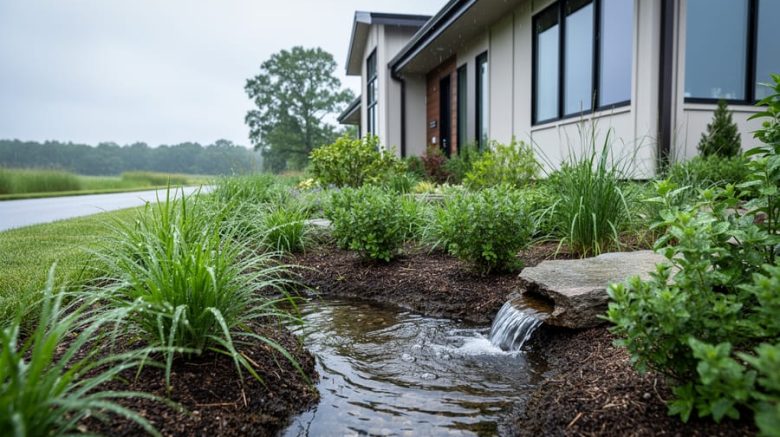
This article breaks down what mitigation really means, how it works in practice, and the different types you’ll encounter in environmental and disaster contexts. You’ll see real examples of mitigation in action, from homeowners installing rain gardens to cities redesigning infrastructure with climate resilience in mind. By the end, you’ll understand not just the definition but how mitigation applies to decisions you can make today, whether you’re a student exploring sustainability, a homeowner reducing risk, or a community leader planning for the future.
The good news? Mitigation doesn’t require perfection. Small, practical steps add up to meaningful protection and environmental progress.
What Mitigation Means in Plain Language
Mitigation is about taking action now to avoid or reduce problems later. Think of it as smart prevention: steps you take before something goes wrong to make sure the damage is less severe when challenges arise. Whether it’s reinforcing your home against storms, cutting carbon emissions to slow climate change, or protecting wetlands from development, mitigation means being proactive rather than reactive.
What sets mitigation apart from other approaches is its forward-looking nature. When a wildfire threatens a neighborhood, emergency response teams fight the flames and recovery efforts help rebuild afterward. Mitigation happens before any of that: clearing brush from around homes, creating firebreaks, and updating building codes so structures can better withstand heat and embers. It’s the difference between preparing for trouble and dealing with its aftermath.
- Mitigation
- Actions taken in advance to reduce the severity of potential harm, damage, or negative impacts before they occur.
- Hazard Mitigation
- Specific measures to reduce loss of life and property from natural disasters, though it has historically been a neglected aspect of emergency management.
- Climate Mitigation
- Efforts to reduce greenhouse gas emissions and slow global warming, such as transitioning to renewable energy or improving energy efficiency.
- Prevention
- Actions that stop an incident or disaster from happening entirely, often overlapping with mitigation but focused on complete avoidance.
- Preparedness
- Planning and training to respond effectively when a crisis occurs, working alongside mitigation as part of comprehensive risk management.
Understanding mitigation empowers you to make meaningful choices in your own life and community. From disaster management to environmental protection, mitigation principles apply across different contexts with one common goal: reducing risks before they turn into crises. It’s about building resilience into systems, structures, and habits so that when challenges come, they cause less harm.
How Mitigation Works in Practice
Mitigation follows a straightforward process that starts well before any crisis hits. Think of it as a four-step cycle that communities, organizations, and even households can apply to reduce future harm.
First comes risk identification. You look around and ask: what could go wrong here? A coastal town might recognize hurricane storm surge as a major threat. A homeowner in a drought-prone area might identify wildfire risk. This step involves studying historical patterns, reviewing scientific data, and listening to local knowledge about what hazards have struck before.
Next is vulnerability assessment. Here you examine what’s actually at risk and how badly it could be damaged. Which neighborhoods sit in the floodplain? How many older buildings lack earthquake reinforcement? What critical infrastructure, hospitals, water treatment plants, power lines, could fail during a disaster? This assessment helps you prioritize where to focus limited resources.
The third step is where action happens: implementing preventative measures. This is the visible part of mitigation. Communities build flood barriers along rivers, update building codes to require storm-resistant construction, or install green infrastructure like rain gardens that absorb stormwater naturally. Homeowners upgrade insulation and seal air leaks to reduce energy use and lower their carbon footprint. Cities plant urban forests to combat heat islands and absorb carbon dioxide.
Finally, monitoring and adjustment keep mitigation effective over time. After installing flood barriers, engineers track water levels during storms to see if the barriers perform as expected. Energy audits measure whether home upgrades actually reduced consumption. This feedback loop ensures that mitigation strategies evolve as risks change and new solutions emerge.
Types of Mitigation: From Disasters to Climate Change
Hazard Mitigation for Disaster Management
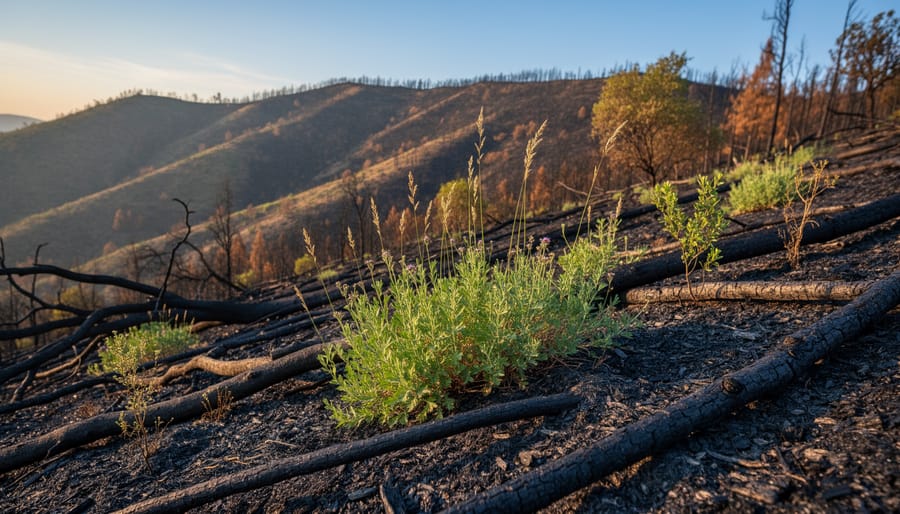
Hazard mitigation targets the root causes of disaster damage before emergencies strike. It’s the work of reducing what a flood, earthquake, or wildfire can destroy, strengthening structures, clearing fuel loads, upgrading drainage systems. Despite its clear value, hazard mitigation is neglected in many emergency management programs, which historically focus resources on response and recovery after disaster hits.
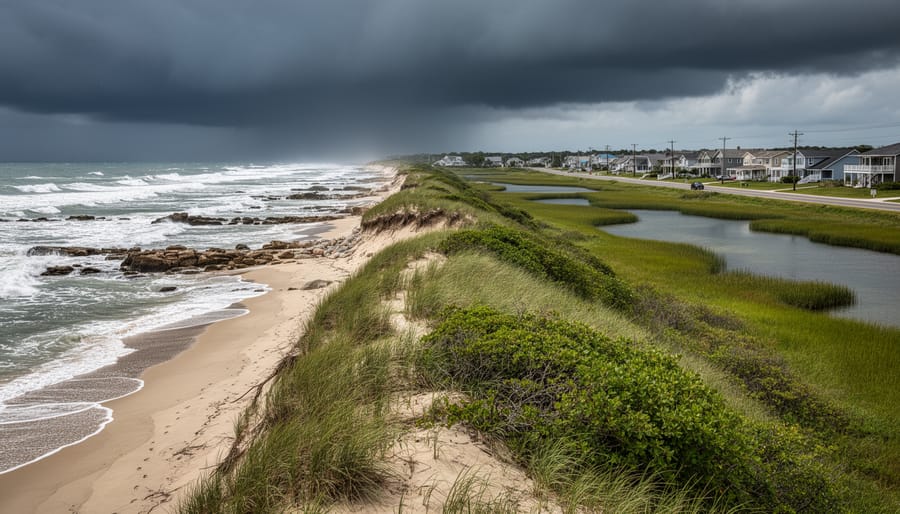
Real-world examples show how effective prevention can be. Seismic building codes require structures in earthquake zones to flex rather than collapse, saving countless lives when tremors occur. Communities in fire-prone areas reduce risk by clearing brush around homes and enforcing defensible space requirements. Coastal towns install storm surge barriers and elevate critical infrastructure above projected flood levels.
These measures cost money upfront but deliver returns every time a disaster strikes and damage is limited. A homeowner who retrofits their foundation or a city that widens floodplains is practicing hazard mitigation, investing in protection that pays off when nature tests those defenses.
Climate Change Mitigation
Climate change mitigation focuses on reducing greenhouse gas emissions and strengthening natural carbon sinks like forests and wetlands. Think of it as turning down the dial on the factors that warm our planet. When you switch to solar panels, improve your home’s insulation, or choose public transit over driving alone, you’re participating in climate mitigation strategies that collectively make a real difference.
Major infrastructure projects increasingly build climate protection into their designs from the start. Canadian federal programs, for instance, now require funding applicants to demonstrate how they’re integrating climate considerations into project plans, ensuring bridges, transit systems, and water facilities can withstand changing conditions while minimizing their carbon footprint.
Practical climate mitigation shows up everywhere. Cities install wind turbines and expand bike lanes. Homeowners upgrade to heat pumps and LED lighting. Businesses optimize delivery routes and reduce packaging waste. Each action cuts emissions, and together they add up. The best part is that many of these steps save money over time while protecting the climate, making climate change mitigation both smart economics and responsible stewardship.
Environmental Mitigation
Environmental mitigation addresses the impacts that development, construction, and industrial activities have on natural ecosystems. When a highway cuts through wildlife habitat or a commercial project affects wetlands, environmental mitigation measures work to offset that harm and restore ecological balance.
These mitigation efforts take several forms. Wetland restoration creates or enhances wetland areas to replace those lost to development, maintaining water filtration and flood control functions. Habitat preservation protects existing ecosystems by setting aside land, creating wildlife corridors, or transplanting threatened species to safe locations. Pollution controls, like stormwater management systems, air filtration equipment, and erosion barriers, prevent contaminants from entering soil, water, and air during and after construction.
Beyond large-scale projects, environmental mitigation connects to everyday choices. Waste reduction through composting and recycling lessens landfill impacts. Choosing products with minimal packaging, supporting local food systems, and reducing single-use plastics all mitigate environmental harm at the household level. Responsible resource use, conserving water, choosing sustainable materials, and maintaining equipment to extend its lifespan, prevents the environmental damage associated with extraction, manufacturing, and disposal.
This type of mitigation recognizes that human activity and environmental health are intertwined. Taking steps to offset harm protects the ecosystems that clean our air, filter our water, and support biodiversity.
Where Mitigation Is Used and Why It Matters

Mitigation shows up everywhere, from massive infrastructure projects down to the choices you make at home. At the government level, programs like Canada’s infrastructure funding now require climate lens assessments before releasing money for roads, bridges, and public buildings. This means engineers must evaluate how their designs will handle future flooding, extreme heat, and other climate impacts before breaking ground. Cities apply mitigation principles when they update zoning codes to prevent building in flood zones, expand urban tree canopy to combat heat islands, or install permeable pavement that reduces stormwater runoff.
At the community scale, mitigation takes many forms:
- Municipal planning and zoning that steers development away from high-risk areas
- Infrastructure projects designed to withstand extreme weather and rising temperatures
- Home weatherization and retrofit programs that reduce energy use and improve resilience
- Personal carbon footprint reduction through transportation and consumption choices
- Business sustainability programs that cut emissions and prepare for climate disruption
These principles scale down to individual action, too. Homeowners practice mitigation when they install energy resilience with solar panels or invest in home energy storage to maintain power during grid outages. Weatherizing your attic, sealing air leaks, and upgrading to efficient appliances are all mitigation measures that reduce your energy demand and protect you from price spikes. Learning heatwave safety tips and creating a family emergency plan are forms of personal disaster mitigation.
Why does this matter? Because mitigation works at every level. A city that plants shade trees protects residents from heat-related illness. A homeowner who installs a sump pump prevents basement flooding. A business that switches to renewable energy cuts emissions while lowering operating costs. Each action, whether large or small, reduces future harm and builds resilience into the systems we depend on every day.
Common Questions About Mitigation
What is the difference between mitigation and adaptation?
Mitigation focuses on preventing or reducing the source of harm before it happens, like cutting greenhouse gas emissions or strengthening building codes. Adaptation means adjusting to harm that’s already occurring or expected, such as building seawalls to cope with rising sea levels or switching to drought-resistant crops.
Why is hazard mitigation often overlooked?
Hazard mitigation has historically been a neglected aspect of emergency management because communities tend to focus resources on immediate response and recovery after disasters strike. It’s harder to justify spending money on prevention when the benefits aren’t immediately visible, even though mitigation saves lives and money in the long run.
How does mitigation relate to disaster preparedness?
Mitigation and preparedness work together as part of disaster management. While mitigation reduces the likelihood or severity of disasters through measures like flood-proofing homes, preparedness focuses on planning and training so people know what to do when an event occurs.
Can individuals practice mitigation at home?
Absolutely. Homeowners can take mitigation steps like installing storm shutters, upgrading insulation for energy efficiency, removing flammable vegetation near structures, or choosing native plants that require less water. These small actions reduce risks and environmental impact while often saving money on utility bills and potential repair costs.
These questions come up frequently because mitigation involves some unfamiliar concepts, especially the difference between preventing harm and responding to it. Understanding that disaster management includes prevention, mitigation, preparedness, and response as distinct elements helps clarify where mitigation fits. The key is recognizing that mitigation isn’t just a government responsibility or something that happens at the policy level. Every choice you make to reduce future risk counts, whether that’s weatherproofing your home, supporting resilient infrastructure in your community, or adopting sustainable practices that lessen environmental stress.
Understanding mitigation meaning is the first step toward making real change. When you grasp that mitigation is about smart, proactive choices, you realize it’s not just the work of governments and large organizations. It’s something you can practice every day, from weatherproofing your home against extreme temperatures to choosing energy-efficient appliances that cut emissions. Supporting community infrastructure projects that build resilience, advocating for green spaces in your neighborhood, and reducing waste in your household all contribute to the broader mitigation effort.
Every preventative action you take creates a ripple effect. When you invest in mitigation, whether through small lifestyle adjustments or supporting larger initiatives, you’re protecting not just your own wellbeing but also your community and environment for generations to come. The beauty of mitigation is that it puts power in your hands. You don’t have to wait for a crisis to respond. You can start now, with informed choices that reduce risk and build a more sustainable, resilient future. That’s the true meaning of mitigation in action.