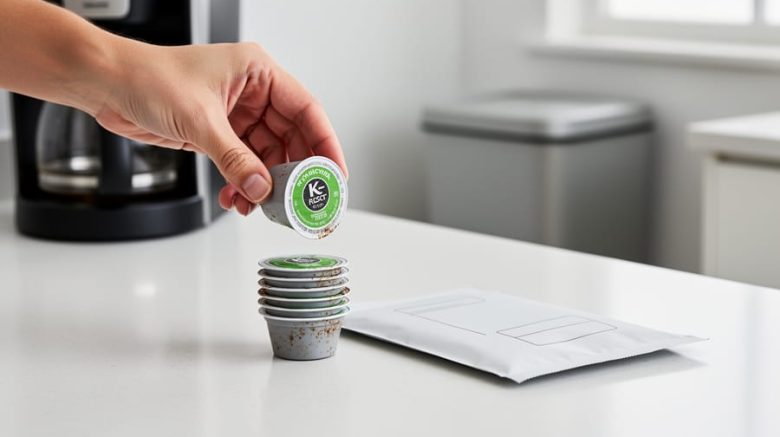
The K-Cycle recycling program is Keurig’s mail-away way to recycle K-Cup pods, and it’s currently available across the lower 48 states. If your town doesn’t accept pods at the curb, you probably still have an option. In late 2024, Keurig launched K-Cycle At Home, a mail-back program built for people whose communities don’t take K-Cups in curbside recycling. No special trip to a drop-off site, no guessing which bin they belong in.
That matters because small kitchen habits add up. A pod is tiny, but the daily coffee routine isn’t, and mail-back recycling gives a hard-to-recycle item somewhere to go. It fits right alongside bigger renewable energy initiatives as proof that everyday choices and large-scale projects can work toward the same goal.
Below, we’ll walk through what’s changed, who can use the program, and a few practical tips for making it part of your routine. Details like the program’s current status are best confirmed on Keurig’s official site, so we’ll point you there too.
What Changed: K-Cycle Now Reaches Homes Without Curbside Pod Recycling
In late 2024, Keurig launched K-Cycle At Home, a mail-back recycling program for people whose communities don’t accept K-Cups in curbside recycling. If you’ve ever stared at a used pod and wondered where it could possibly go, this is the update that answers that question.
Here’s the situation it fixes. Pods are small, made of mixed materials, and plenty of local recycling programs simply can’t handle them. That left a lot of coffee drinkers with a drawer full of pods and no good option. K-Cycle At Home gives those households a way to send their used pods off for recycling instead of tossing them in the trash.
It also adds to what was already there. The K-Cycle program is available across the lower 48 states, and the mail-away approach is built for people who want to recycle their K-Cup pods without depending on what their town’s curbside bin accepts. Think of it as a second door into the same effort, one that works whether you live somewhere with strong recycling services or not.
That matters for the broader environmental community too, because the easier an option is to use at home, the more people actually use it.
One practical note: details like current program status and any recent changes beyond these facts aren’t something to guess at. Check the official K-Cycle page before you start collecting.
Key Developments in the K-Cycle Program
1. A Mail-Away Option Designed for Everyday K-Cup Users
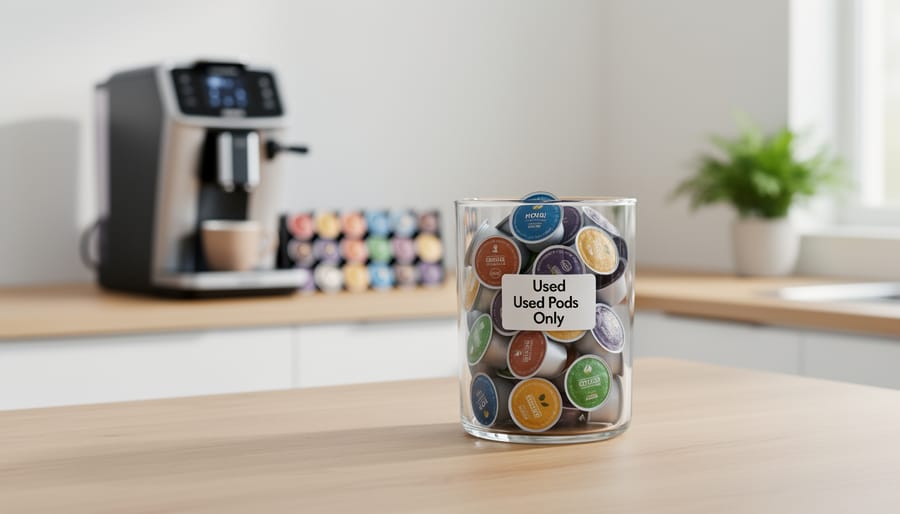
If you’ve ever stared at a used K-Cup pod and wondered where it’s supposed to go, this program is built for you. Keurig offers an easy, mail-away recycling program for people who want to recycle their K-Cup pods, and it’s designed to fit into a normal household routine.
So what does “mail-back” actually mean? Think of it like sending a package, only the package is your used pods. You collect them at home, send them off, and they get recycled for you. There’s no need to figure out whether your local facility can handle them. That’s a big deal, because pods are small and made of mixed materials, and plenty of curbside programs simply won’t take them.
Here’s who this option helps most:
- People whose curbside recycling doesn’t accept K-Cups.
- Anyone who wants a simple, at-home solution without extra trips.
- Households that brew pods regularly and want a steady way to keep them out of the trash.
The program is currently available in the lower 48 states, so it’s worth confirming your address falls within that area before you start collecting.
The beauty of a mail-back approach is that it removes the guesswork. You don’t have to be a recycling expert or memorize local rules. You just set aside a container by the coffee maker, build the habit, and let the program handle the rest.
2. K-Cycle At Home Launches in Late 2024
In late 2024, Keurig launched K-Cycle At Home, a mail-back recycling program built for people whose communities don’t accept K-Cups in curbside recycling. If your local program has ever turned away your used pods, this one is aimed squarely at you.
Here’s the gap it fills. K-Cup pods are small, made of mixed materials, and plenty of curbside programs simply aren’t set up to sort them. That leaves many coffee drinkers with a tidy habit and nowhere to send the results. A mail-back option moves the recycling step into your own home. You collect your used pods, then send them off through the program instead of waiting for your town to change its rules.
Why does that matter? Because recycling works best when it’s easy. When the only choice is a drop-off site across town or a trip you’ll never get around to, most pods end up in the trash. A household-level option removes that hurdle, so more people can take part no matter where their local program draws the line.
It also works alongside the existing K-Cycle program, which is currently available in the lower 48 states. So if you live in that area, a pod-recycling path is likely open to you, even when curbside isn’t.
Details like the program’s current status can shift, so check the official K-Cycle page before you start collecting.
Why It Matters for Your Recycling and Energy-Saving Goals
Recycling a K-Cup might feel like a tiny act, but small, repeated habits are what move the needle. Every pod kept out of a landfill is one less piece of waste to deal with, and it supports the bigger idea behind Energy Reduction and Recycling Initiatives: using fewer new resources to make new things. The research on energy savings from recycling shows why this matters, since reusing materials generally takes less power than starting from scratch.
Picture a small office where the morning coffee run never stops. Someone sets a little container next to the machine, and everyone tosses their used pods in. There’s no big campaign and no complicated system. When the container fills up, one person boxes it and sends it off through the mail-back program. After a few weeks, it’s just what the team does. That’s the kind of simple routine that turns good intentions into steady results, and it’s how community recycling habits tend to grow, one household, dorm, or workplace at a time.
The best part is how easy it is to begin. You don’t need special equipment or a lot of extra time, just a spot to collect pods and a plan to send them in.
Start with whatever you’re already doing, like brewing your morning cup, and let the habit build from there.
What to Watch Next and Your Questions Answered
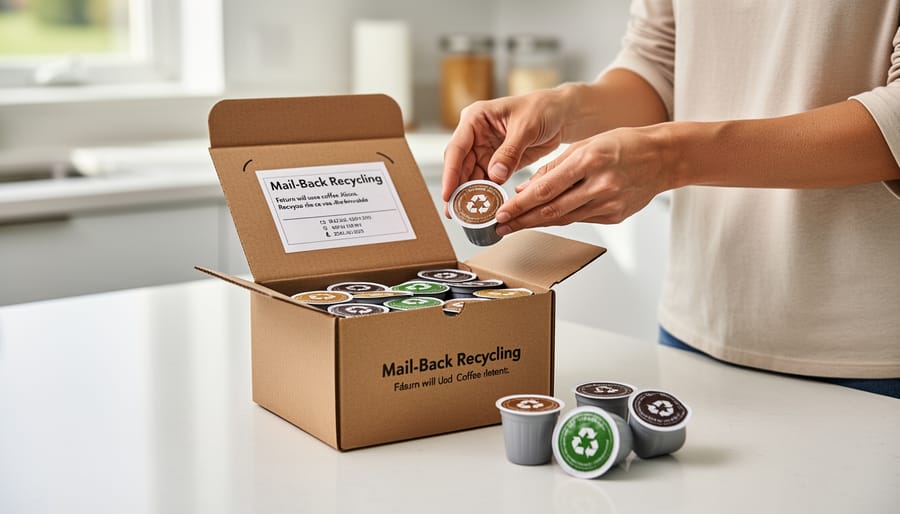
Programs like this can shift over time, so it pays to check in before you start collecting pods. The things worth watching are program status, who is eligible, and how the mail-back process works. I can’t tell you what’s changed recently, and I’d rather not guess. The official K-Cycle page is the place to confirm the latest details before you commit to a routine.
Here’s what we can say with confidence, along with the questions people ask most.
Is K-Cycle available where I live?
The K-Cycle Recycling Program is currently available in the lower 48 states. If you’re outside that area, check the official K-Cycle page for what applies to you.
What is K-Cycle At Home?
K-Cycle At Home is a mail-back recycling program Keurig launched in late 2024. It’s designed for people whose communities don’t accept K-Cups in curbside recycling.
What if my curbside program doesn’t take K-Cups?
That’s exactly the gap the mail-away option was built to fill. It lets you recycle your K-Cup pods even when your local pickup won’t take them.
Where do I check current program details?
The official K-Cycle page is the best source for current status and any recent changes. Those specifics aren’t something to assume, so confirm them there before you start.
A quick tip: set up a small collection spot, like a bowl or box near your coffee maker, and glance at the official page once in a while. That way you’re ready the moment you have enough pods to send, and you’ll know the details are current.
Small steps like this really do add up. Whether your curbside bin takes K-Cups or not, the K-Cycle program, including the mail-back option from K-Cycle At Home, gives your used pods somewhere better to go than the trash. Every pod you keep out of a landfill is a tiny win, and tiny wins stack up fast when you make them a habit.
So here’s your next move: check whether the program fits your household, since it’s available in the lower 48 states. Then grab a box or bag, start collecting your used pods, and let the habit build from there.